10 Alexander the Great Sites Every History Fan Must See

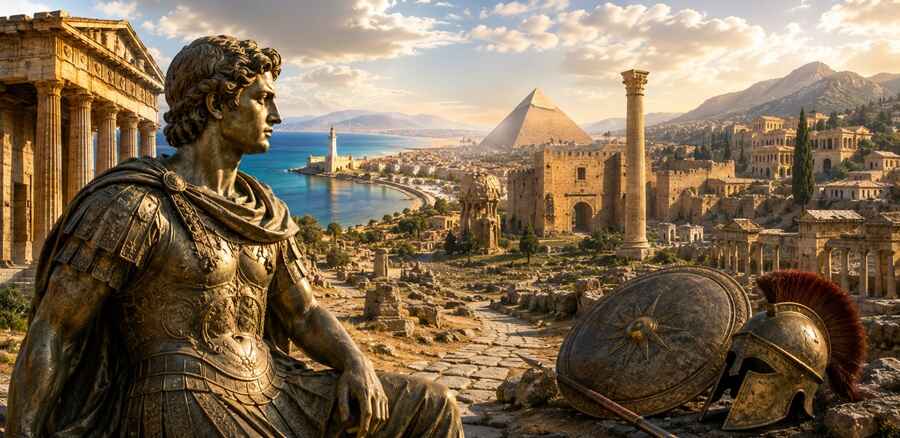
Alexander the Great was one of the most famous rulers of the ancient world. Born in 356 BC in Pella, Macedonia, he became king of Macedon in 336 BC and led a series of military campaigns that took his forces from Greece and Egypt across the Persian Empire and into Central and South Asia.
Although Alexander died in 323 BC, his campaigns left a lasting mark on the history of many regions. Today, travelers can explore archaeological sites, ancient cities, battlefields, and landscapes connected with his life and campaigns.
Rather than following one exact historical route, this guide brings together 10 important destinations connected with Alexander the Great, from his Macedonian homeland to the Indian subcontinent.
Who Was Alexander the Great?
Alexander III of Macedon, better known as Alexander the Great, was born in Pella in 356 BC. He was the son of King Philip II of Macedon and Queen Olympias.
Alexander became king after Philip II was assassinated in 336 BC. He soon began expanding Macedonian power and launched his famous campaign against the Persian Empire.
Over the following years, Alexander conquered territories across the Persian Empire, entered Egypt, traveled through Central Asia, and eventually reached the Indian subcontinent.
He died in Babylon in 323 BC, at the age of 32.
His short life and extraordinary military campaigns have made him one of the most studied figures in ancient history.
Why Follow Alexander’s Route Today?
Exploring places connected with Alexander the Great offers travelers a different way to experience ancient history.
Instead of seeing history only in books or museums, you can visit archaeological sites, ancient cities, royal monuments, and landscapes associated with his campaigns.
The destinations on this list also show how Alexander’s story crossed many different cultures and regions. From ancient Macedonian cities and Egyptian settlements to Persian royal centers and South Asian archaeological sites, each destination tells a different part of the larger story.
If you enjoy exploring famous historical stories through real destinations, you may also enjoy Traveling Through the World of Moby-Dick.
10 Alexander the Great Sites Every History Fan Must See
- Pella, Greece – Birthplace of Alexander
- Vergina (Aigai), Greece – Royal Macedonian Tombs
- Issus Battlefield, Türkiye – Victory over Darius III
- Tyre, Lebanon – The Famous Seven-Month Siege
- Alexandria, Egypt – The City Founded by Alexander
- Siwa Oasis, Egypt – Temple of the Oracle of Amun
- Gaugamela, Iraq – The Battle That Changed History
- Persepolis, Iran – Capital of the Persian Empire
- Samarkand (Ancient Maracanda), Uzbekistan – Heart of Central Asia
- Taxila, Pakistan –Alexander in the Indian Subcontinent
1. Pella, Greece – Birthplace of Alexander
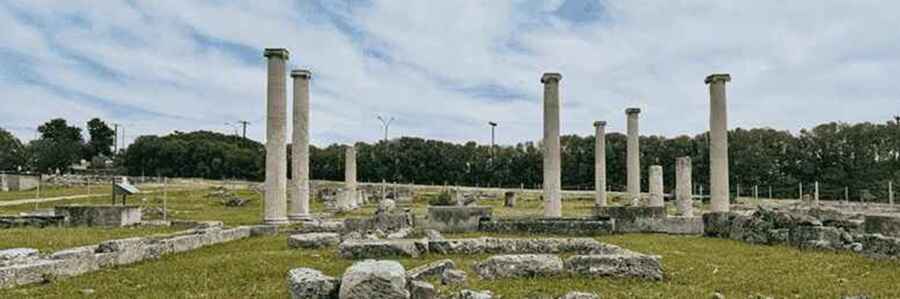
Pella was the ancient capital of the Macedonian kingdom and the birthplace of Alexander the Great. It was also an important center during the reign of his father, King Philip II.
Today, visitors can explore the Archaeological Site of Pella and its museum. Ancient streets, houses, mosaics, sculptures, and everyday objects offer a glimpse into life in ancient Macedonia.
Walking through the remains of Pella is a great way to begin an Alexander the Great journey because the city was closely connected with his early life and the Macedonian royal court.
For outdoor sightseeing, spring and autumn can be comfortable, although travelers should check current opening hours and weather conditions before visiting.
2. Vergina (Aigai), Greece – Royal Macedonian Tombs
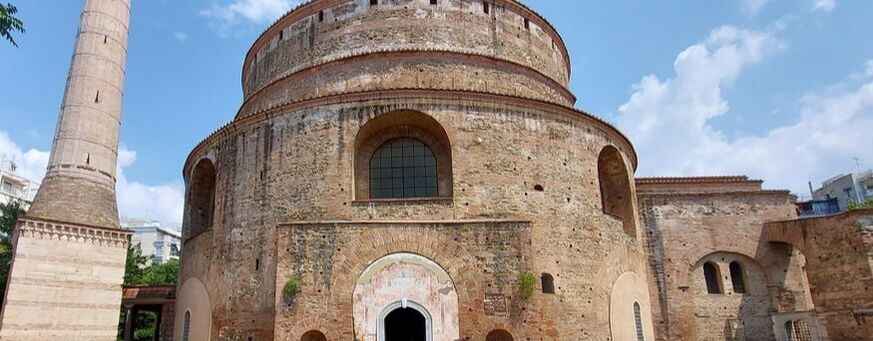
Modern Vergina is home to the archaeological site of Aigai, the ancient royal capital of Macedonia.
The site is especially important because of its royal tombs and its connection with the Macedonian dynasty. The underground museum contains royal burial remains and remarkable objects such as weapons, jewelry, and artworks.
One of the most famous tombs is traditionally identified as that of Philip II, Alexander’s father, although the identification has been discussed by scholars.
For history fans, Aigai provides a fascinating look at the royal world in which Alexander grew up.
Vergina can also be visited from Thessaloniki, making it a practical addition to a northern Greece itinerary.
3. Issus Battlefield, Türkiye – Victory over Darius III
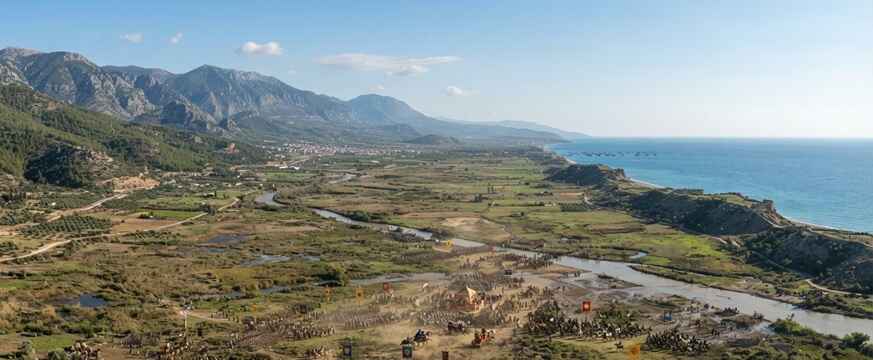
The Battle of Issus took place in 333 BC and was one of Alexander’s most important victories against the Persian king Darius III.
The battle was fought in the region of ancient Issus in what is now southern Türkiye. Alexander’s victory helped strengthen his position as he continued his campaign against the Persian Empire.
Unlike some famous archaeological attractions, the battlefield does not function like a large, preserved ancient monument where visitors can simply walk through clearly marked remains of the battle.
Instead, travelers interested in the history can explore the broader region around İskenderun and the ancient settlement associated with Issus while learning about the landscape and historical context.
Because the area contains modern settlements and archaeological locations, checking local information and travel conditions before visiting is important.
4. Tyre, Lebanon – The Famous Seven-Month Siege
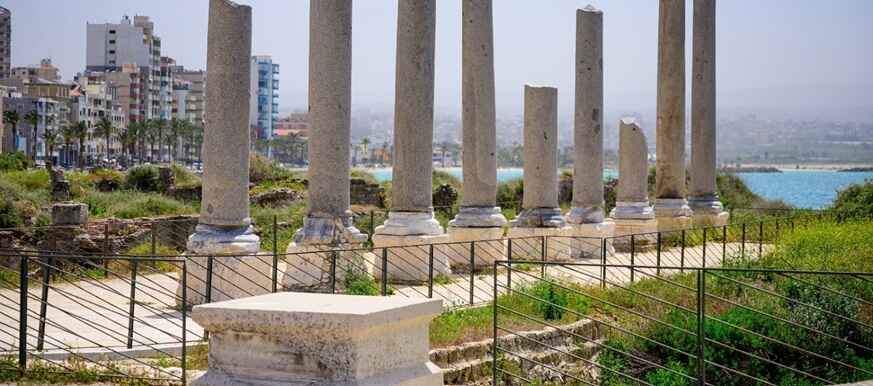
The ancient city of Tyre was an important Phoenician center on the Mediterranean coast.
In 332 BC, Alexander attacked Tyre after the city refused to surrender. The siege lasted for several months and became famous because Alexander’s forces constructed a causeway toward the island city.
The capture of Tyre was an important stage in Alexander’s campaign along the eastern Mediterranean coast.
Today, travelers can explore archaeological remains in and around modern Tyre, including ancient roads, columns, arches, and burial areas.
The site also offers beautiful Mediterranean scenery, creating an interesting combination of history and coastal travel.
Because conditions can change, travelers should check current travel advice and local access information before planning a visit to Lebanon.
5. Alexandria, Egypt – The City Founded by Alexander
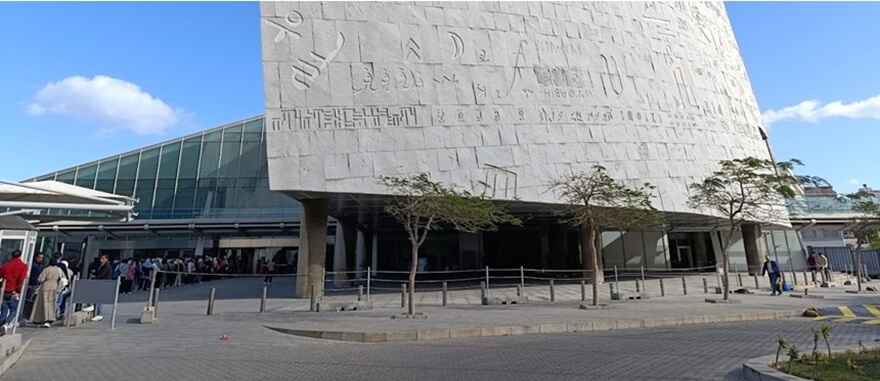
Alexander founded Alexandria in 331 BC on Egypt’s Mediterranean coast. The city later developed into one of the ancient world’s most important centers of culture, scholarship, and trade.
Although much of ancient Alexandria lies beneath or among the modern city, visitors can still explore several important historical and cultural attractions.
Popular places include the Bibliotheca Alexandrina, Qaitbay Citadel, Catacombs of Kom El Shoqafa, and the Mediterranean Corniche.
The modern Bibliotheca Alexandrina is a contemporary cultural institution rather than the surviving ancient Library of Alexandria, but it reflects the city’s long association with learning and scholarship.
For comfortable sightseeing, the cooler months from roughly October to April can be appealing, although weather varies.
6. Siwa Oasis, Egypt – Temple of the Oracle of Amun
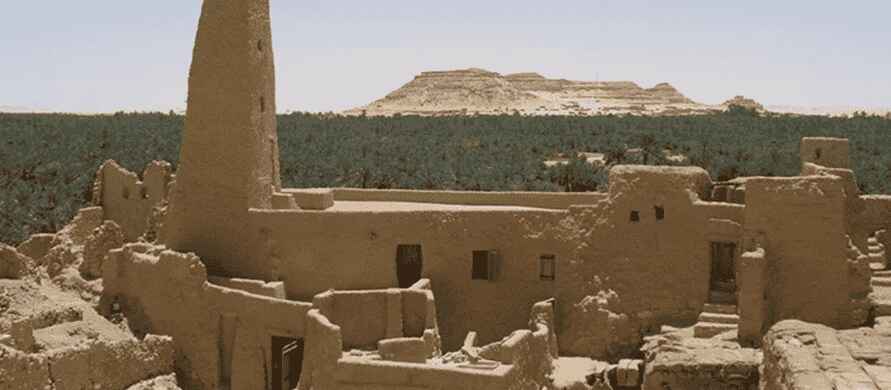
The remote Siwa Oasis is closely connected with one of the most famous stories from Alexander’s life.
Ancient accounts describe Alexander’s visit to the Oracle of Amun in Siwa during his Egyptian campaign around 332–331 BC. The visit became an important part of the historical traditions and stories surrounding Alexander.
Today, travelers can explore the remains associated with the Temple of the Oracle, along with Siwa’s traditional settlements, palm groves, salt lakes, and desert landscapes.
Siwa offers a very different experience from the large cities and archaeological sites elsewhere on this list. Its oasis environment also helps travelers understand the geography of ancient Egypt beyond the Nile Valley.
Because Siwa is remote, travelers should plan transportation, accommodation, weather, and local conditions carefully.
7. Gaugamela, Iraq – The Battle That Changed History
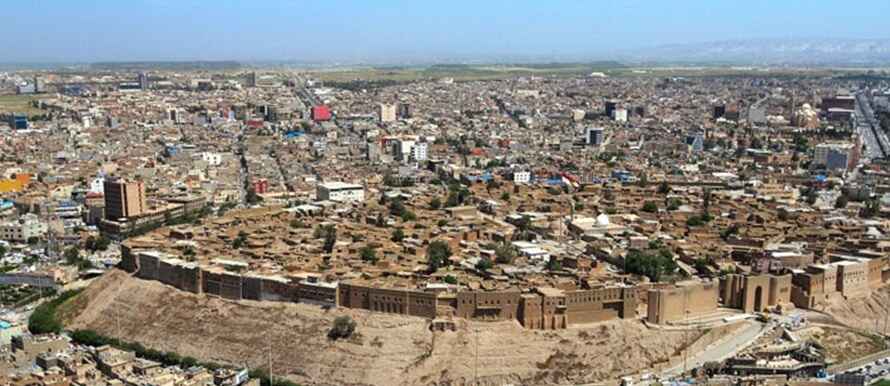
The Battle of Gaugamela took place in 331 BC and became one of the most important battles of Alexander’s campaign against the Persian Empire.
Alexander’s forces defeated the army of Darius III, opening the way for Alexander to advance deeper into the Persian Empire.
The ancient battlefield is generally associated with an area near modern Erbil in northern Iraq. However, visitors should not expect a large archaeological park marking every part of the ancient battlefield.
Travelers interested in the battle can combine historical research with a visit to Erbil and its historic surroundings, including the famous Erbil Citadel.
Because travel conditions can change significantly, anyone considering a trip to this region should check current official travel advice before making plans.
8. Persepolis, Iran – Capital of the Persian Empire
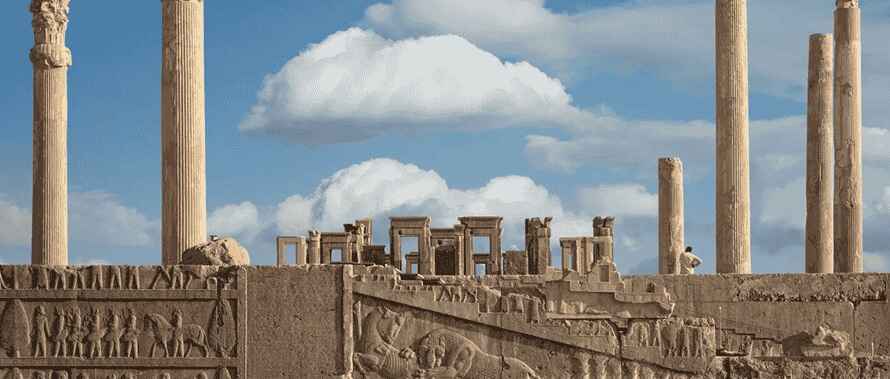
Persepolis was one of the most impressive royal centers of the ancient Persian Empire.
Alexander captured Persepolis in 330 BC during his campaign. The city was later damaged by fire, an event that remains an important part of its historical story.
Today, Persepolis is one of the most remarkable archaeological destinations connected with Alexander’s campaign.
Visitors can see enormous columns, monumental staircases, carved reliefs, gateways, and the remains of royal buildings. Nearby sites such as Pasargadae and Naqsh-e Rostam can also add more historical context to a visit.
Because much of Persepolis is outdoors, comfortable weather can make a significant difference. Spring and autumn are often attractive periods for sightseeing, but travelers should check current conditions and site information before visiting.
9. Samarkand (Ancient Maracanda), Uzbekistan – Heart of Central Asia
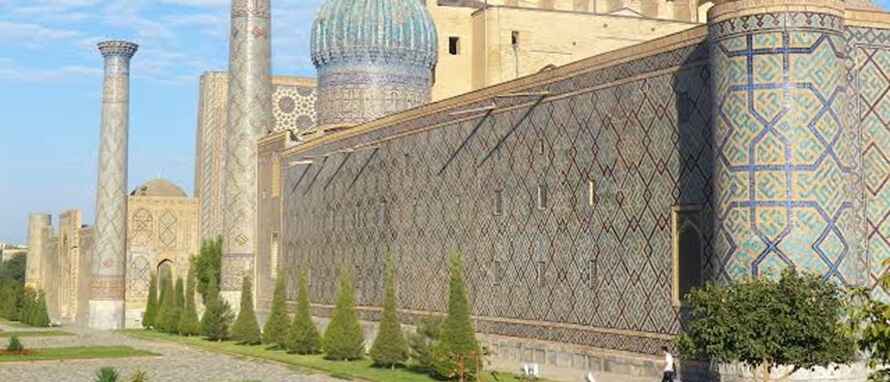
Modern Samarkand is one of Central Asia’s most famous historic cities. In Alexander’s time, the settlement was known as Maracanda, and Alexander reached the region during his campaigns in Central Asia.
The buildings that dominate modern Samarkand, however, mostly belong to much later periods. The city’s importance to Alexander’s story comes from its ancient history and location within the region he conquered.
Travelers today can explore famous attractions such as Registan Square, Bibi-Khanym Mosque, and Siyob Bazaar, while also experiencing the city’s long Silk Road heritage.
This makes Samarkand particularly interesting for travelers who want to connect Alexander’s ancient campaigns with the much broader history of Central Asia.
10. Taxila, Pakistan – Alexander in the Indian Subcontinent
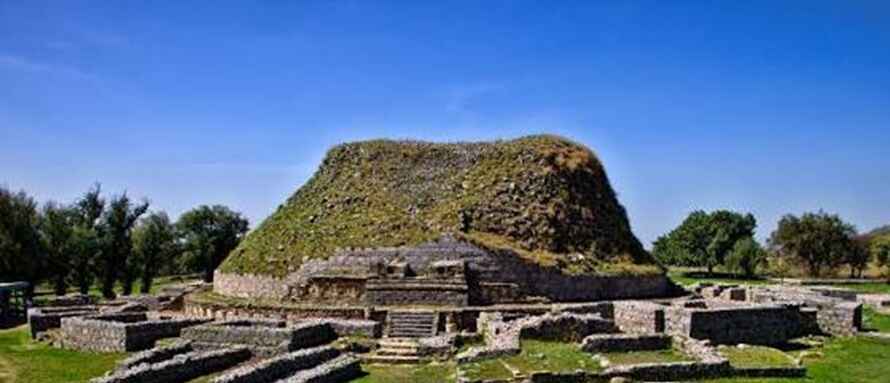
Taxila was an important ancient center of learning, trade, and culture in South Asia.
Alexander reached the region in 326 BC during his campaign toward the Indian subcontinent. His arrival brought his forces into contact with several local kingdoms and communities.
Today, Taxila is an important archaeological destination near Islamabad. Visitors can explore archaeological remains and the Taxila Museum, which contains artifacts representing the area’s long history.
Taxila is especially valuable for understanding the eastern part of Alexander’s campaign because it shows that his journey extended far beyond the Mediterranean and Persian worlds.
Travelers can combine a visit to Taxila with time in the Islamabad area, while checking current opening hours and local travel information before going.
Practical Travel Advice
Visiting all 10 destinations would be a major international journey rather than a simple road trip. These sites are spread across several modern countries, and some are much easier to access than others.
Before planning an Alexander the Great-inspired itinerary:
- Check current travel advice: Conditions can change, particularly for destinations in regions affected by political or security concerns.
- Research visas and entry requirements: Requirements vary between countries and can change over time.
- Plan transportation carefully: Some archaeological sites are far from major cities.
- Check opening hours: Museums and archaeological sites may have seasonal schedules or different opening days.
- Consider local guides: A knowledgeable guide can add valuable historical and archaeological context.
- Wear comfortable shoes: Many ancient sites involve uneven ground and extensive outdoor walking.
- Carry water and sun protection: Several destinations can be hot and exposed, especially during warmer months.
- Respect local customs and archaeological sites: Follow photography rules, barriers, signs, and local regulations.
You also don’t need to visit all 10 destinations to experience Alexander’s story. A trip focused on Pella and Vergina, for example, can explore his Macedonian roots, while an itinerary around Alexandria and Siwa can focus on his Egyptian campaign.
If films and stories often inspire your travel ideas, you can also explore 6 Best Movies About Traveling the World for more travel inspiration.
Frequently Asked Questions
Where was Alexander the Great born?
Alexander the Great was born in Pella, Macedonia, in 356 BC.
Which modern countries were part of Alexander’s campaigns?
His campaigns crossed territories corresponding to parts of modern Greece, Türkiye, Lebanon, Egypt, Iraq, Iran, Uzbekistan, Pakistan, and several other regions.
Can you follow Alexander the Great’s entire route today?
Not as one simple continuous tourist route. His campaigns covered an enormous area, and modern borders, transportation, political conditions, and archaeological access make a complete route impractical for most travelers.
What is the best place to start an Alexander the Great history trip?
Pella and Aigai (Vergina) are excellent starting points because they are directly connected with Alexander and the Macedonian royal dynasty.
Are all these places preserved from Alexander’s time?
No. Some destinations contain archaeological remains from Alexander’s era, while others are modern cities built around or above much older settlements. In places such as Samarkand and Alexandria, many of the buildings visitors see today were constructed centuries after Alexander.
Conclusion
Following Alexander the Great through these historic destinations is a fascinating way to connect ancient history with places that travelers can still explore today.
From Pella and Aigai in Greece to Alexandria and Siwa in Egypt, Persepolis in Iran, Samarkand in Uzbekistan, and Taxila in Pakistan, each destination reveals a different part of the world Alexander encountered during his campaigns.
For history-loving travelers, the journey is not simply about seeing ancient ruins. It is an opportunity to learn about the cities, cultures, landscapes, and civilizations that shaped one of antiquity’s most famous stories.
If Alexander the Great’s story inspires your next history-focused adventure, these 10 destinations offer plenty of places to start exploring.