Travel Insurance for Pregnant Women

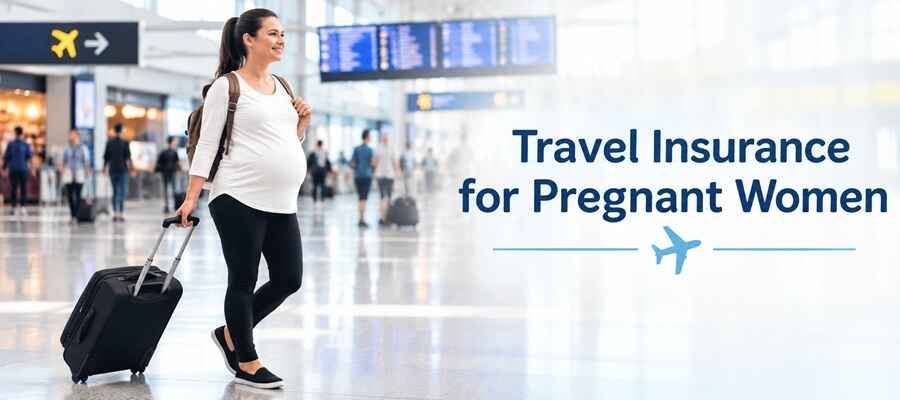
Many women can travel during pregnancy, but it needs extra planning. You may need medical care during your trip, and unexpected problems can make travel expensive.
Travel insurance can help protect you from some unexpected travel costs. However, not all plans cover pregnancy in the same way. Some may cover certain pregnancy emergencies, while others may have limits or exclusions.
Before buying a policy, it is important to know what is covered and what is not.
In this post, you will learn how travel insurance works during pregnancy, what it may cover, what it may not cover, and what to check before your trip.
International Travel Insurance: What You Need to Know
Can You Travel While Pregnant?
Many women can travel during pregnancy, but it is important to follow safety rules and speak with your doctor before travelling.
1. Check Your Pregnancy Stage
According to the NHS, many pregnant women can travel safely during pregnancy. The second trimester, from about week 14 to week 28, is often a more comfortable time to travel because morning sickness may have improved.
However, every pregnancy is different. Always ask your doctor if travel is safe for you.
2. Check Airline Rules
Airlines have their own rules for pregnant passengers. Some airlines may not allow travel after a certain week of pregnancy. The limit can also be different for women carrying twins or more than one baby.
Check your airline’s rules before booking your flight.
3. You May Need a Medical Certificate
If you travel later in pregnancy, your airline may ask for a Fit-to-Fly certificate from your doctor or midwife. This may include your due date and confirm that you are fit to travel.
Always check the exact requirements with your airline before your trip.
Best Time to Travel During Pregnancy
The best time to travel can be different for each woman. However, the second trimester, around weeks 12 to 28, is often more comfortable for travel. Morning sickness may have improved, and you may still have enough energy to enjoy your trip.
1. Weeks 12 to 28: A More Comfortable Time
During the second trimester, many women feel better and have more energy. Your belly may also be smaller, which can make walking and moving around easier.
2. After Week 32: Take Extra Care
Long trips may become harder during the third trimester, especially after week 32. You may feel tired more quickly, and travelling far from your usual medical care may be less convenient.
Before planning a trip, talk to your doctor about your pregnancy and travel plans.
Note: Pregnancy travel rules and medical advice can vary from person to person. Always follow your doctor’s advice and check your airline and insurance rules before travelling.
Can You Get Travel Insurance While Pregnant?
Yes, you can buy travel insurance while pregnant. Many insurance companies offer plans for pregnant travellers.
However, travel insurance is mainly designed to cover unexpected travel emergencies. It may help if you suddenly become ill, have an accident, or face a covered pregnancy-related emergency during your trip.
It is not the same as regular health insurance. It usually does not cover routine pregnancy care, such as regular checkups, pregnancy scans, or standard medicines.
Before buying a policy, check the pregnancy coverage, limits, and exclusions carefully. This will help you understand what the insurance can and cannot cover during your trip.
What Does Pregnancy Travel Insurance Cover?
Depending on the policy, travel insurance may provide protection in several areas.
1. Emergency Medical Costs
If you have a sudden illness, injury, or covered pregnancy complication while abroad, your insurance may help pay for emergency medical care.
This may include:
- Doctor fees
- Hospital treatment
- Emergency medicines
- Other eligible medical costs
Routine pregnancy checkups are generally not included.
2. Trip Cancellation
Sometimes, you may need to cancel your trip because of an unexpected pregnancy complication.
For example, your doctor may tell you not to travel because of a medical problem. If your policy covers this situation, it may help with certain non-refundable travel costs, such as flights or hotel bookings.
Always check the cancellation rules before buying.
3. Baggage and Travel Delays
Some travel insurance plans also cover lost or damaged luggage and certain long travel delays.
Depending on the policy, you may receive help with eligible costs such as replacement items, food, or a hotel during a covered delay.
These benefits are not specific to pregnancy, but they can still be useful during a trip.
What Is Usually Not Covered?
Understanding exclusions is just as important as knowing what is covered.
1. Routine Pregnancy Care
Travel insurance generally does not cover normal pregnancy care while you are abroad.
For example, you may have to pay for:
- Regular pregnancy checkups
- Routine blood tests
- Normal ultrasound scans
- Planned medical visits
2. Normal Childbirth
Travel insurance is not normally designed to pay for planned or normal childbirth abroad.
If you travel close to your due date and give birth during your trip, the policy may not cover the normal delivery costs.
However, some policies may provide coverage for certain unexpected and serious medical emergencies. Always check the exact policy terms.
Important Suggestions for Pregnant Travelers
A little planning can make your trip easier and more comfortable. Before you travel, keep these three tips in mind:
1. Get a Doctor’s Letter
Talk to your doctor before booking your trip. If needed, ask for a “Fit-to-Fly” letter that confirms you are fit to travel. Some airlines or transport companies may ask for this document.
2. Keep Your Insurance Details With You
Do not put your insurance papers in your checked luggage. Keep a printed copy in your handbag or carry-on bag. You can also save a digital copy on your phone.
Save the insurance company’s emergency phone number so you can find it quickly if you need help.
3. Check Airline Rules Early
Airlines have their own rules for pregnant travellers. Some may not allow travel after a certain week of pregnancy.
Always check your airline’s official website before booking your ticket. This will help you avoid problems at the airport.
International Insurance Providers That Offer Pregnancy-Related Coverage
Some travel insurance providers publish information about pregnancy-related coverage. Their rules can vary based on the plan, country of residence, stage of pregnancy, and policy terms.
1. AXA Travel Insurance
AXA may cover eligible and unexpected pregnancy complications and emergency medical care abroad. Routine prenatal care, normal pregnancy symptoms, and childbirth are generally not covered.
2. Travelex Insurance
Travelex offers plans with emergency medical and evacuation benefits. Some unexpected pregnancy complications may be covered, while certain conditions may be excluded.
3. Allianz Travel Insurance
Some Allianz plans may cover unexpected pregnancy complications. Depending on the plan, benefits may also include emergency medical care, transportation, and 24-hour assistance.
4. Berkshire Hathaway Travel Protection
Berkshire Hathaway Travel Protection offers plans with medical, trip cancellation, and emergency evacuation benefits. Some pregnancy-related situations may qualify if they meet the policy requirements.
5. Auras Insurance
Auras provides information about pregnancy travel insurance. Some pregnancy-related medical complications may be covered up to a certain stage of pregnancy. The exact limits depend on the plan and eligibility rules.
Key Things to Check Before Buying
Before choosing a policy, check these important points:
1. Pregnancy Week Limit
Some insurance companies have a limit on how many weeks pregnant you can be when you travel.
Check the exact week limit in your policy. Do not rely on a general number because the rules can be different between plans.
2. Pregnancy Exclusions
Read the pregnancy section of the policy carefully.
Check which complications are covered and which are excluded. Also look for rules about routine care, childbirth, and pre-existing medical conditions.
3. Emergency Medical Coverage
Check how much the policy can pay for emergency medical treatment.
Also check whether it covers emergency evacuation or repatriation if you need to return home for medical care.
4. 24/7 Emergency Assistance
A 24/7 emergency helpline can be useful when you are in another country.
The insurance company may help you find medical care and explain what to do during an emergency.
5. Trip Cancellation and Interruption
Check whether an unexpected pregnancy complication can qualify for trip cancellation or interruption benefits.
Also check the documents you may need when making a claim.
Conclusion
Travel during pregnancy can be possible with good planning. Travel insurance may help protect you from some unexpected medical and travel costs, but pregnancy coverage can have strict rules.
Before your trip, talk to your doctor, check your airline’s pregnancy rules, and read your insurance policy carefully.
Most importantly, don’t assume every pregnancy-related cost is covered. Before you buy, check the pregnancy week limit, medical benefits, exclusions, cancellation rules, and emergency assistance.
With careful planning and the right information, you can prepare for your trip with greater peace of mind.
(The information in the post is for general guidance only. Talk to a medical professional for personal advice about travelling during pregnancy.)