15 Unique Road Trip Story Ideas


Have you ever felt the urge to just get in a car and drive? Perhaps you’ve imagined all the amazing sights you could see and the interesting people you might meet along the way. That feeling? It often sparks the beginning of a great story!
Road trips are filled with opportunities for adventure, discovery, and unexpected twists, making them perfect for storytelling. Every journey contains a story waiting to be uncovered.
I can’t wait to see the ideas you come up with! Are there any specific themes or moods you want to explore—something humorous, heartfelt, or maybe a little mysterious? Let’s dive in and create some unforgettable road trip tales!
A. Themed Road Trip Story Ideas
These trips are centered around a specific focus or theme.
Idea 1: Taking a Historical Route on the Road Trip
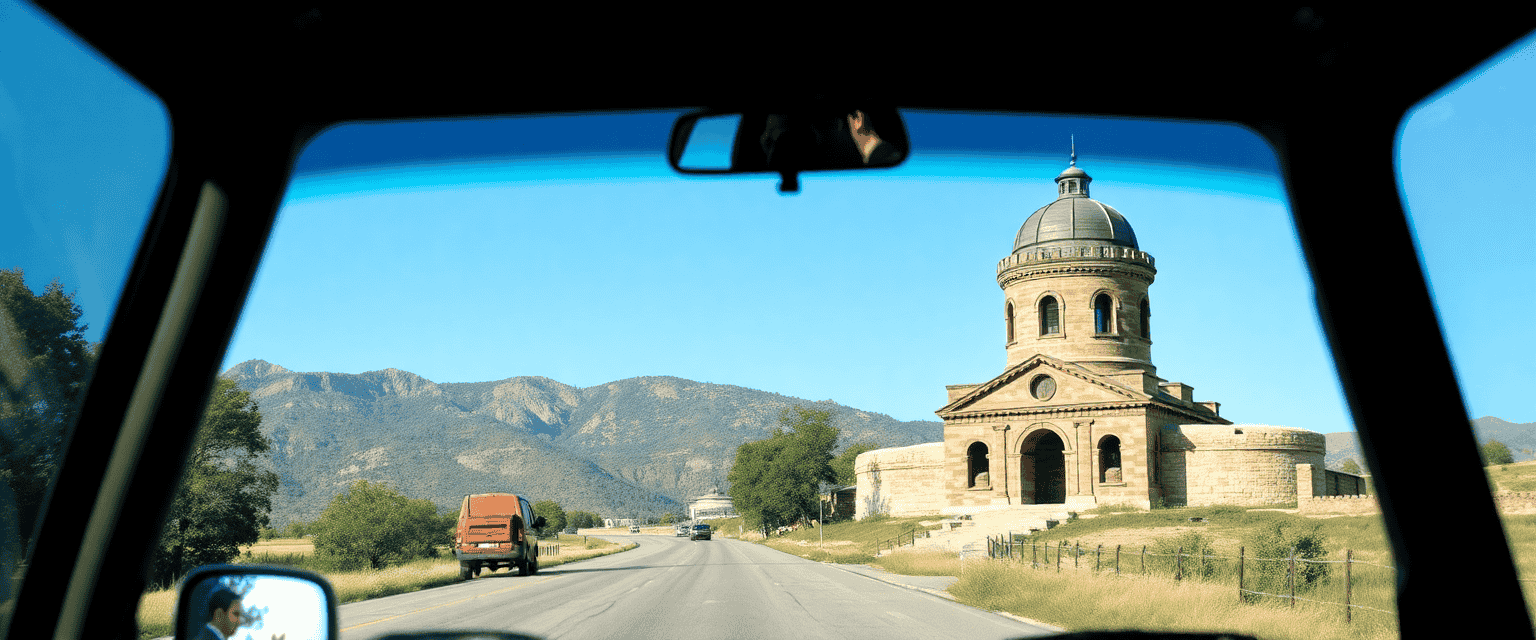
A road trip story about history can be super fun and important. It mixes old times with today. Imagine a character who loves history, or is just looking for answers. They visit old places and feel a strong link to them, learning big lessons. You can even add a mystery! Clues from the past help solve a puzzle in the present.
To make it exciting, use clear words and bright pictures. Show how places look different now, and how old events still shape today. Keep the language simple and the story flowing so everyone, even younger readers, stays interested. The main idea is a journey of finding out new things and understanding the world better.
Examples to Inspire:
Imagine a trip along an old trail where people fought for fairness. Your character could learn about their own family and what justice really means. Or, picture a drive down Route 66. Your story could show how different people saw America change over time, through their travels and daily lives. A “Presidential Trail” journey might help someone understand a past leader’s impact on their country. It’s like seeing history through their eyes. Then there’s a Gold Rush adventure. This trip could reveal the big dreams and hard times of those who looked for gold long ago, making you think about trying hard and never giving up.
Idea 2: Discovering Natural Wonders on the Road Trip

Idea 3: Explore Food on the Road Trip

A road trip story focused on food can be a tasty journey of discovery! It’s all about how people connect with food through their culture and feelings. The adventure could be about trying special local dishes, finding the very best version of a favorite meal, or learning the history behind famous ingredients. Imagine tasting spicy Cajun food in Louisiana, finding the best ramen in Japan, or following coffee beans from a farm in Colombia to a busy cafe. Each stop adds more to the experience.
Characters could meet chefs, farmers, and people who truly love making food. They’ll learn about old traditions and personal stories. The trip itself can bring fun surprises, like missing a reservation, facing cultural differences, or making new friends. You should use clear words to describe the food’s smell, how it feels, and how it tastes to make the reader really feel like they’re there.
To make the story fun, mix the food adventure with how the characters change. Maybe someone learns about their family history through food, or finds comfort by sharing meals. You can also add humor and joy, showing the fun of new tastes and unexpected meetings. In the end, food becomes more than just something to eat—it’s a way to understand history, culture, and how people connect.
Examples to Inspire:
Imagine a Barbecue Pilgrimage. Two food bloggers dive into the world of legendary pitmasters, finding out secret regional barbecue tricks and meeting passionate cooks along their way. Or, picture a Wine Tasting Road Trip. Friends explore vineyards, learning the art behind making wine, all while figuring out their own relationships. A Ramen Quest could follow a young chef through Japan’s ramen scene. They’d learn from master chefs and uncover the deep ideas behind this famous dish. Lastly, a Craft Beer Trail introduces travelers to the heart of independent brewing. They get to experience local culture through the unique flavors and traditions of craft beer.
Idea 4: A Music-Inspired Route for the Road Trip

A road trip story all about music offers a journey through sound, culture, and history. The adventure could follow famous types of music, visiting places where well-known artists made their art. Imagine tracing the Blues Highway, stopping at old juke joints and museums to find the beginnings of blues music. Or travel the Rock ‘n’ Roll route, exploring historic spots like Sun Studio in Memphis and the Cavern Club in Liverpool. The story could also focus on country music, discovering Nashville’s Grand Ole Opry, and the storytelling of its stars.
The characters’ connection to music should be key. Maybe they are huge fans, musicians themselves, or just curious travelers. Along the way, they could meet local musicians, learn about the culture behind the sounds, or go to amazing live shows. Music can act as the soundtrack to their trip, changing their feelings and memories as they move from place to place.
To make the journey truly come alive, use vivid details. Describe the venues, the energy of the performances, and how the melodies make you feel. Looking into music history will make the story feel real. And personal changes that happen through music can make the story deeper. In the end, this road trip isn’t just about travel; it’s about finding the soul of sound in the places that gave it life.
Examples to Inspire:
Imagine The Blues Highway Documentary. A filmmaker drives, trying to capture the true soul of American blues through talks with musicians, live shows, and visits to old, important places. Or, picture a Punk Rock Pilgrimage. Young musicians trace punk music’s wild beginnings, visiting famous venues and facing both great inspiration and the tough truth of the music business. Following the Beatles’ Trail offers a trip full of old memories. A huge fan uncovers Liverpool’s legendary spots connected to the famous Fab Four’s story. Lastly, the Jazz City Hop brings two music lovers through lively jazz scenes. They mix the past and present as they experience legendary clubs and new ways of playing the genre.
B. People-Centered Road Trip Story Ideas
These stories are more about the characters and their relationships during a journey.
Idea 5: The Surprising Travel Companion on the Road Trip

A road trip story about unexpected travel buddies can lead to a fun and heartfelt journey. The adventure starts with two unlikely travelers—maybe a quiet person and a lively, outgoing one—who are forced together by chance. At first, their differences cause awkward or funny moments. But as they explore new places, they start to understand and learn from each other.
The heart of the story is how their friendship grows. Along the way, they might face challenges like car troubles, funny mishaps at roadside diners, or deep talks under the stars. The road trip becomes more than just a drive; it’s a path toward growing personally, sharing experiences, and making surprising connections.
To make the story exciting, focus on how different the characters are and how they push each other to try new things. Also, show the feelings tied to saying goodbye when the trip ends. Humor and adventure keep it lively, while quiet moments add depth. Whether they stay friends forever or go their separate ways, their journey leaves a lasting mark, reminding readers of the magic in welcoming the unknown.
A Road Trip Story: Unexpected Friends
Emily, a quiet young woman from busy New York City, found an old book that sparked a new desire for adventure. So, she decided to take a solo road trip, leaving city life behind to explore the unknown. She was excited but also a little nervous to step out of her comfort zone.
As Emily drove, she saw a hitchhiker, Alex, by the road. Despite her usual shyness, she pulled over. Alex, with his big smile and friendly nature, instantly made her feel comfortable. They were quite different — Emily was quiet, and Alex was outgoing — but they quickly became good friends.
They explored hidden places, ate at quirky diners, and shared stories under the stars. Their trip was full of surprises, funny moments, and deep talks.
When their journey ended, they felt sad to say goodbye. But they knew their shared adventure had changed them forever. Meeting Alex turned Emily’s solo trip into an amazing journey of friendship and self-discovery, showing her the wonderful things that happen when you’re open to the unexpected.
Idea 6: Strengthening Your Relationship During Your Road Trip
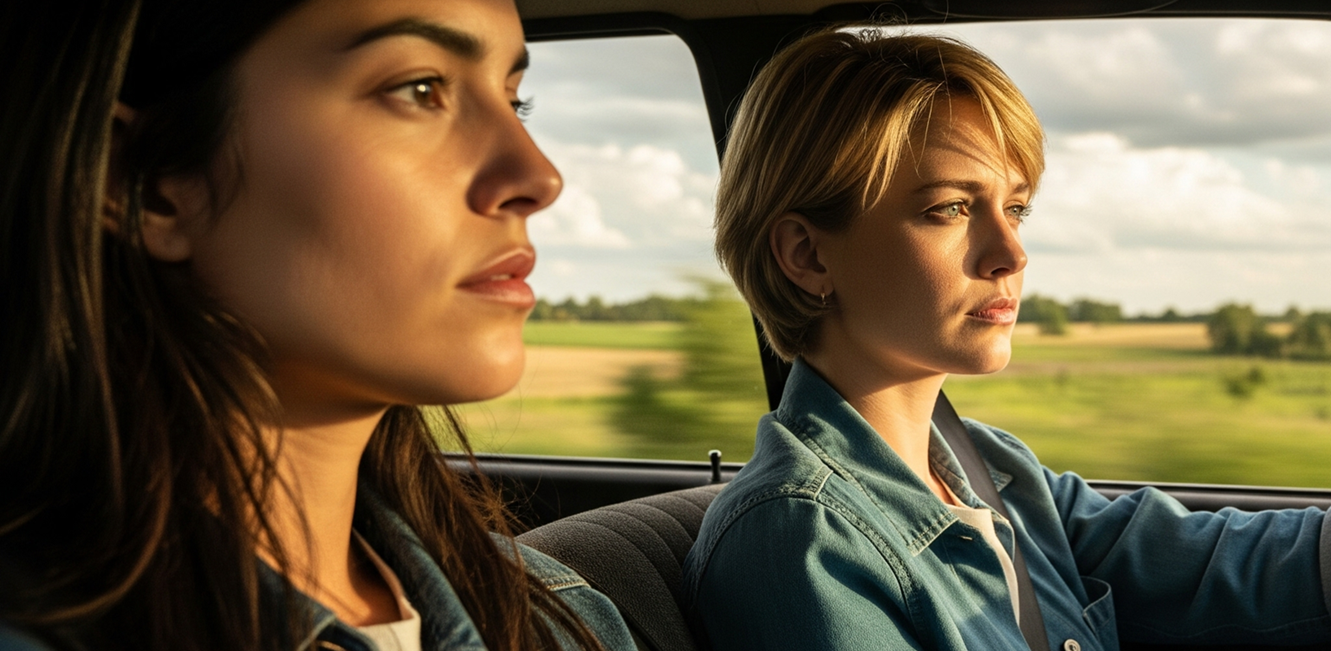
A road trip story about rediscovering a relationship can be deeply emotional and life-changing. This kind of journey brings together family or friends who’ve grown distant, giving them a chance to reconnect through shared experiences. As they travel familiar roads or explore new spots, old memories will pop up, showing both the good times and the tough times from their past.
At the start of the trip, you might feel a lot of tension, with old arguments simmering under the surface. But unexpected moments—like laughing at silly roadside problems, remembering childhood memories, or opening up under a starry sky—will help break down those walls. Through honest talks and new adventures together, the characters start to understand each other in ways they never did before.
The heart of this story is its emotional depth. The trip isn’t just about where they go; it’s about healing, forgiveness, and making their bonds strong again. Whether it’s siblings, old friends, or even parents and children who’ve been apart, the road trip acts as a bridge, guiding them toward truly understanding each other. By the end, they come home not just with a new view on things, but with a stronger connection, proving that sometimes, the road itself is the path to fixing what’s broken.
A Road Trip Story: Rediscovering a Relationship
An old photo sat on the table, showing Lily and her sister, Chloe, laughing together on a summer road trip from long ago. It was a treasured memory of their strong bond. But as time passed, they grew apart, with unspoken hurts creating a wide gap. Once inseparable, they now barely spoke.
One evening, their wise mother suggested a road trip. “Take Chloe,” she urged. “Just the two of you. Remember the old days.” Both sisters hesitated at first, their past hurts weighing heavily. But the idea of seeing old places and sharing laughs like they used to slowly changed their minds.
So, they started their journey in an old convertible. Its sputtering engine seemed to mirror their strained relationship. As they drove, familiar childhood sights like sunflower fields and roadside diners brought back memories, both happy and painful.
One night, by a bonfire under a starry sky, they finally talked. Lily spoke of her hurt from Chloe’s distance, and Chloe admitted feeling overshadowed by Lily’s successes. Their words, shaky at first, grew stronger as they poured out their raw feelings.
The road trip became a journey of healing. They laughed, cried, and learned to truly listen to each other again. The old photo, now safe in Lily’s bag, took on a new meaning—a symbol of their rekindled bond.
Driving home, the car purred smoothly. The silence between them was no longer awkward but comfortable, filled with understanding. They had rediscovered the sisterhood they nearly lost. The road trip, their unlikely beginning, proved the lasting power of family and shared experiences.
Idea 7: A Solo Road Trip for Self-Discovery

A road trip story about self-discovery is a powerful look at personal growth and thinking about your life. The journey begins with a character searching for answers, trying to escape their usual routine, wondering about their life’s purpose, or getting over past problems. Driving alone through huge landscapes, they face moments of doubt, loneliness, and surprising challenges. Each one helps them change.
Along the way, meeting strangers—like a kind mechanic, a wise storyteller, or another traveler—offers new ways of seeing things and gives them wisdom. The open road becomes like a mirror, helping them shed fears and self-doubt. Whether it’s watching a stunning sunset, fixing a broken-down car by themselves, or hearing life-changing advice from someone they didn’t expect, every experience pushes them toward understanding themselves better.
This kind of story is best with deep thoughts, clear descriptions of nature’s beauty, and strong emotional moments. The ending doesn’t need a big, dramatic event—just the realization that growing isn’t about finding yourself, but about accepting who you’ve always been. In the end, the road trip becomes more than just a trip—it’s a way to show change, toughness, and the quiet magic of discovering your own truth.
Read More: 5 Best Countries for Solo Travel
A Road Trip Story: Finding Yourself on the Open Road
Amelia, with her trusty Jeep “Wanderlust,” left her busy city life behind for a solo road trip. This journey wasn’t just about driving miles; it was about finding herself. Amelia had always been a dreamer, but the pressure to fit in had made her feel lost. This trip was her chance to escape and remember who she truly was.
As she drove, Amelia felt layers of stress disappear. The fresh air, wide-open sky, and quiet roads helped her listen to her own heart again, remembering dreams she’d forgotten.
Of course, there were tough moments: a flat tire in the middle of nowhere, lonely nights, and worries about getting lost or making mistakes. But each challenge she faced made her feel stronger. She learned to trust herself and accept the unexpected.
She met interesting people too: a funny mechanic, a wise elder sharing stories of the land, and another traveler facing their own problems. Each meeting made her feel less alone, reminding her that everyone is connected.
Weeks passed, and Amelia felt a big change inside. Her worries faded, replaced by a new calm, and clear mind. She saw the world in a new way, finding beauty in simple things.
One evening, watching a beautiful sunset, she realized something important: she didn’t need to “find” herself because she had always been there, just hidden under layers of doubt and what others expected. This road trip had simply helped her uncover her true self.
Driving home, Amelia felt a peace she hadn’t known in years. She was stronger, more confident, and more connected to herself and the world. The road trip was a gift, proving that the greatest adventures are often the ones we take within ourselves.
Idea 8: A Road Trip for Everyone
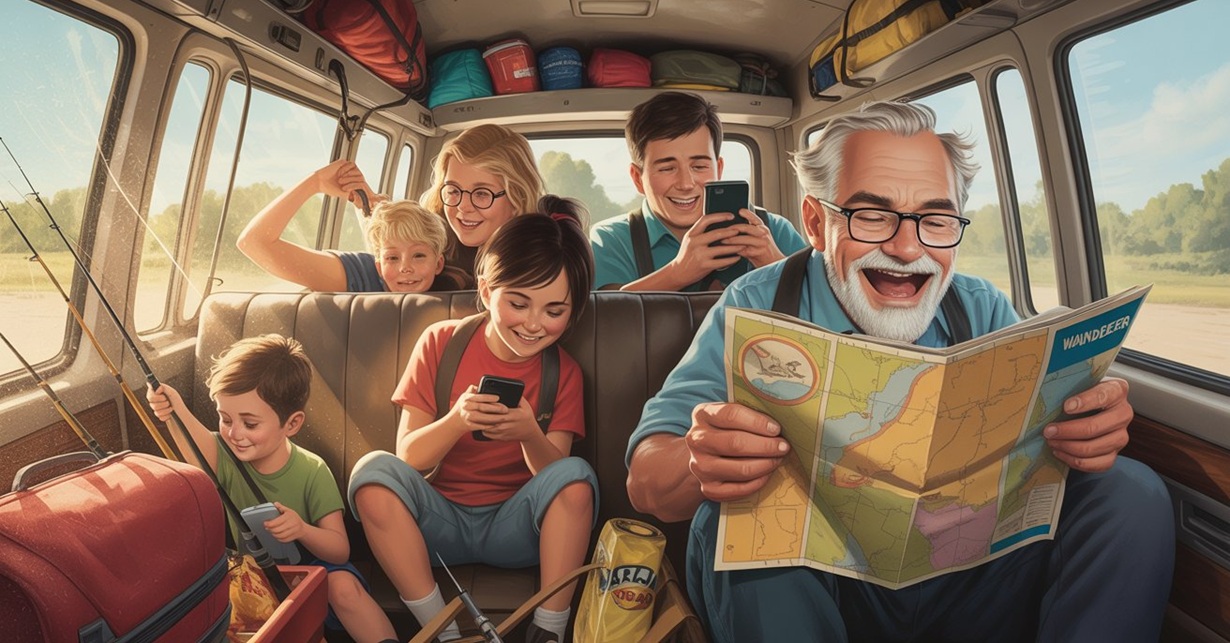
A road trip story about a trip with grandparents, parents, and kids can be really fun and touch your heart. The trip brings together people of different ages, each with their own funny ways of doing things and how they see the world. Things like what music to listen to, where to eat, and how to find their way can cause some funny moments, like Grandpa wanting to use an old paper map while the kids use their phones. How everyone packs their bags will also be different!
Even though there might be some chaos, surprising connections will happen. Grandparents telling stories can fascinate the kids, teenagers might start to like older music, and doing things together, like watching birds or playing cards, can create unexpected friendships. The road trip becomes more than just driving; it’s a way for different generations to understand each other better, laugh together, and build stronger family ties.
To make the story fun, focus on how different everyone is, funny little accidents that happen, and quiet moments when people connect. Whether it’s talking late at night by a fire or just enjoying a beautiful sunset together, these times make the trip meaningful. In the end, the journey isn’t just about getting somewhere—it’s about finding stronger family bonds along the way.
A Road Trip for All Ages: A Multi-Generational Adventure
“The Wanderer,” the family minivan, was packed full of bags, fishing rods, and snacks. Inside, four generations of the Johnson family were squeezed together, feeling a mix of excitement and worry. There was Grandpa Joe, who loved to travel, holding his paper map with twinkling eyes. His wife, Grandma Millie, was a bit more worried, clutching a bag of remedies and fretting about arguments. Their son, Mark, was caught between his parents’ eagerness and his three kids’ impatience: Lily, the energetic ten-year-old stuck to pop music; Ben, the moody teenager with headphones and black clothes; and tiny Sophie, whose endless energy and demands for “Baby Shark” could take over the whole car.
The trip began with the usual family noise: a fight over the radio. Grandpa Joe’s old music clashed with Lily’s pop, Ben’s rock fought Grandma Millie’s quiet songs, often ending in static that no one liked. Grandpa Joe wanted to use his paper map, even though Mark had a GPS, which led them down pretty but bumpy “shortcuts.” Grandma Millie tried to use the car’s new features, which sometimes caused sudden blasts of heat or windows to open unexpectedly.
Eating stops were another adventure. Grandpa Joe wanted early dinner specials, Grandma Millie looked for cute tea rooms, Mark wanted local greasy food, Lily demanded fast food, Ben only ate vegan (which confused Grandpa Joe), and Sophie’s food wishes changed every few miles. Bathroom breaks were a fast dance, decided by the youngest bladder and Grandpa Joe’s surprisingly frequent stops.
Even their packing showed their differences. Grandpa Joe’s neat suitcases held enough for a month, while Ben’s one bag only had black clothes. Lily’s trendy outfits almost filled the trunk, and Sophie’s favorite stuffed bunny kept getting lost in the back.
But among all the mess, something started to change. As they drove, Grandpa Joe’s loud stories about his youth, full of bold and sometimes silly choices, made Lily listen, silencing her tablet. Ben, surprisingly, found himself tapping his foot to some of his dad’s old rock songs, even saying he liked a guitar solo. Grandma Millie, with Lily’s patient help, found joy in watching birds, pointing out feathered friends with new excitement. Grandpa Joe even taught Sophie some surprisingly serious rounds of Go Fish during a picnic by the road.
There were also quiet moments when they connected. Mark, noticing Ben was quiet, shared his own teenage worries during a late-night campfire. This created a rare understanding between father and son. Lily, with unexpected kindness, comforted a crying Sophie who missed home. And one evening, as they all looked at the starry sky, a peaceful quiet settled over them, a shared wonder that closed the age gaps.
When “The Wanderer” finally pulled back into their driveway, a bit worn but full of memories, the Johnson family was different. They had not just driven miles, but they had also navigated their own unique habits and differences, finding common ground and a deeper love for each other. The road trip, with all its funny mistakes and heartfelt moments, truly became proof of the strong, messy, and beautiful bond of a family – a trip for all ages, indeed.
C. Adventure and Challenge Road Trip Story Ideas
These stories are about overcoming obstacles and exploring the less-traveled paths.
Read More: Best Adventure Travel Destinations
Idea 9: The Road Trip Beyond the Ordinary
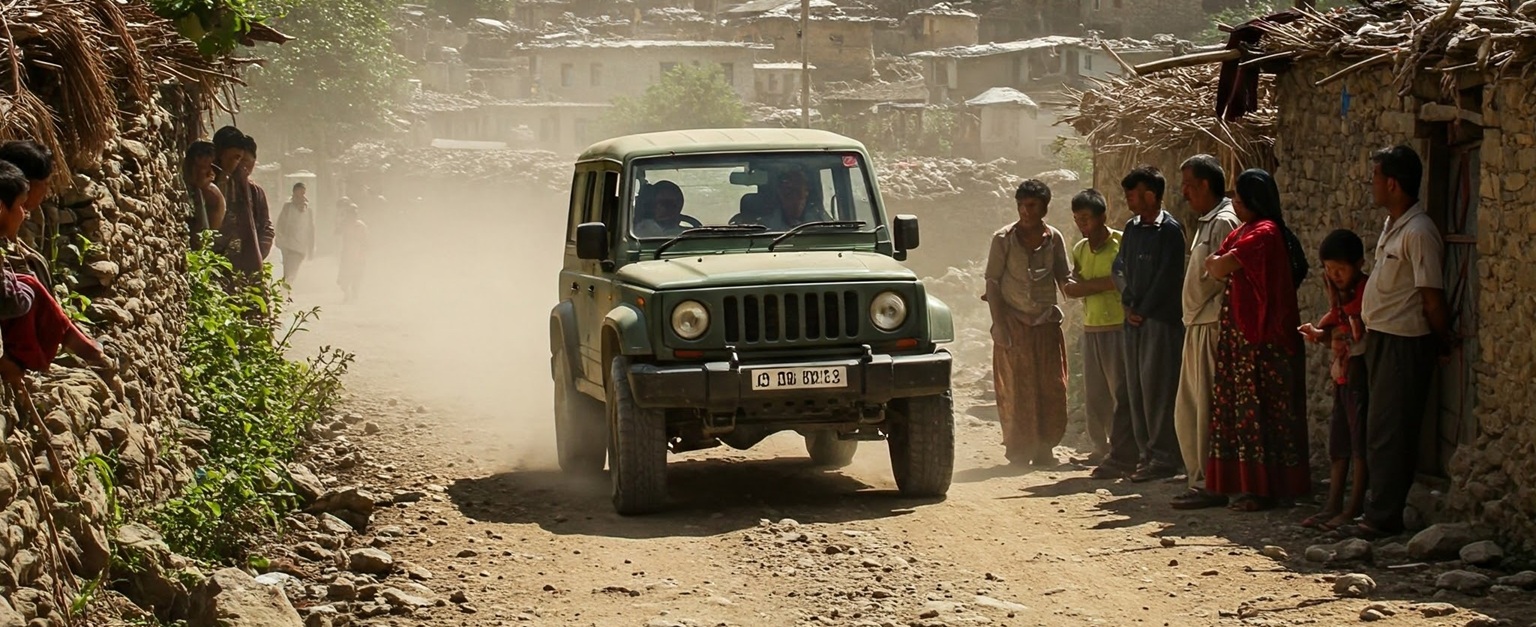
The Adventure Beyond the Ordinary is all about exploring, meeting new people by surprise, and finding special places far from where most tourists go. The journey starts with travelers driving on unmarked roads, listening to what local people say instead of following guidebooks. Along the way, they find old towns no one visits, secret natural wonders, and communities that are deeply connected to their land and old ways.
Problems will pop up—like getting lost on dirt roads, having trouble with language, or their car breaking down. But these hard moments lead to deeper experiences. They meet local people who share their wisdom, offer a place to stay, and show them a way of life that hasn’t been changed by many tourists. Sharing food, listening to old stories, and learning new customs make the trip truly meaningful.
The heart of this story is about connection. Whether it’s the kindness of a stranger, the amazing feeling of finding a hidden canyon, or the quiet beauty of a starry sky, the trip is more than just travel. It’s about understanding people and places in a way that changes the travelers forever. By the end, they don’t just come back with memories; they return with a new way of seeing adventure, culture, and the magic of things they didn’t know.
A Road Trip Story: Beyond the Usual Path
The map lay crumpled on the passenger seat. This showed how little Maya and Liam cared for normal roads. Instead of busy highways and tourist spots, they chose a road trip full of turns, local tips, and happy surprises. Their goal was to find the hidden treasures of the American Southwest, places no one else saw, and stories whispered by the wind.
Their trip started in a dusty desert town with empty shops. They found a local diner with old photos and menus written by hand. The kind but tough owner, with a sparkle in her eye, told them about a secret canyon, known only to locals, where a waterfall dropped into a clear pool.
Following her directions, they drove on dirt roads. The dry desert slowly changed into a green, lush area. The canyon was incredibly beautiful. As they looked around, they met some Navajo elders, whose faces showed years of wisdom. The elders were curious about the young travelers and shared stories of their ancestors, their strong connection to the land, and old traditions.
Their journey went on, with each day bringing a new adventure. They camped under starry skies in a far-off desert. They visited a ghost town where old whispers still lingered. They ate homemade tortillas and salsa at a small food stand run by a family of workers. They learned to trust what they felt, to ask for directions with simple Spanish words, and to enjoy simple joys: a warm fire, a shared meal, a beautiful starry sky.
Then, deep in New Mexico’s quiet areas, their old Jeep, “Wanderlust,” finally broke down on a dusty, unpaved road. They were stuck miles from any town, and their water was getting low. A wave of anger hit them. Just as they started to panic, an old pickup truck appeared, kicking up red dust.
The driver, a kind man named Silas with gentle eyes, offered to pull their car to his small ranch in a hidden valley. As they bounced along in the back of his truck, Silas told stories about his life as a sheep herder. His voice sounded like the land itself.
At the ranch, Silas’s family welcomed them warmly. It was a close family living peacefully with the tough but beautiful land. They gave Maya and Liam warm food, a soft place to sleep in a traditional mud-brick home, and invited them to join their daily life.
Maya and Liam stayed several days with Silas and his family, experiencing a way of life very different from their own. They learned about old traditions, their deep respect for nature, and how they made complex woven patterns. These patterns, with bright colors, told stories of their history and beliefs. They helped with daily chores, guiding sheep across wide plains, learning to spot native plants, and sharing meals around a crackling fire under a sky filled with more stars than they had ever seen.
One evening, Silas’s grandmother, whose eyes held the wisdom of many years, shared old myths and legends. Her voice wove tales of spirits and how all living things are connected. Maya and Liam listened, completely amazed by the beauty and depth of their culture.
Sometimes, talking was hard because of different languages, but smiles, hand signs, and a shared human feeling closed the gap. They found that even though they came from different places, they shared common values: how important family is, respecting nature, and the simple joy of human connection.
When a helpful neighbor finally fixed their Jeep, Maya and Liam felt a little sad to leave. They had come as strangers who were stuck, but they were leaving as friends. Their understanding of the world was much bigger, and their hearts were filled with a new appreciation for a culture they would never have found on a regular tourist trip. The unexpected car breakdown had led them to a deep and rich experience, proving the beauty and kindness found when you go off the beaten path.
Idea 10: Road Trip Based on All About the Activity
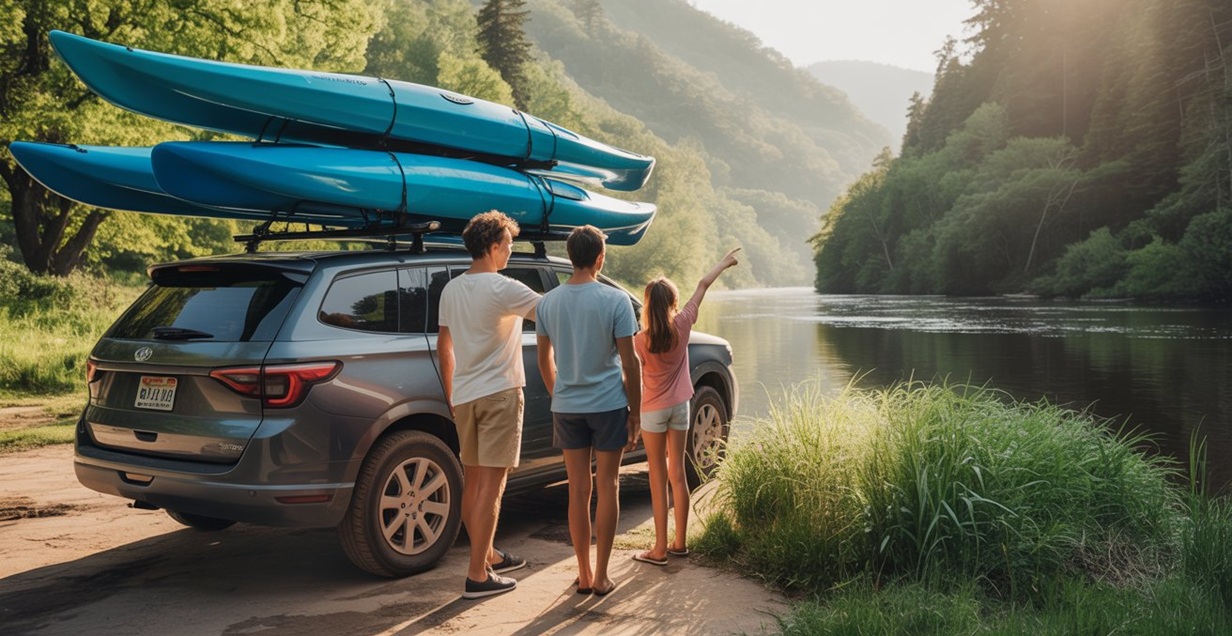
A road trip story focused on outdoor activities turns the trip into an adventure of toughness, teamwork, and discovery. Whether it’s hiking on tough trails, biking through pretty country, or kayaking down winding rivers, the main idea is to enjoy nature’s beauty while taking on physical challenges.
The trip unfolds with each hard moment, like getting through tricky river rapids, climbing steep hills, or pushing against strong winds. These challenges bring the travelers closer. Their bond grows stronger through shared efforts, quiet teamwork, and surprising moments of wonder, like seeing an eagle fly high above or finding a peaceful bay no one else has touched.
Beyond the physical challenges, the trip helps them reconnect with nature and each other. A teenager who didn’t want to go might put down their phone to look at a beautiful sunset. Someone new to adventuring might find confidence in learning a new skill. Evenings spent by a campfire, sharing stories under starry skies, add warmth and time for thinking to the journey.
This kind of road trip is more than just a test of how strong you are. It’s an experience that changes the travelers. They leave not just with memories, but with a deeper appreciation for adventure, for not giving up, and for the quiet power of the natural world.
A Road Trip Story: All About the Activity
The morning sun gleamed off the sleek kayaks on top of their SUV as Maya, Carlos, and their daughter, Lena, set off. Their goal was a network of rivers and waterways, known for their beauty and tricky currents. This wasn’t just a vacation; it was a paddling trip, a way to truly connect with nature and each other through their love for being on the water.
Their days quickly fell into the rhythm of the water. They woke with the sun, put their kayaks into the calm water, and spent hours exploring. Their trip wasn’t about famous places; it was about the thrill of going through tough rapids, the quiet wonder of seeing a bald eagle fly, or the simple joy of paddling into a hidden cove.
The water itself was the main part of their adventure. They glided across calm lakes that perfectly mirrored the trees. They went through fast rivers that tested their paddling skills and teamwork. They explored winding areas full of birds, hearing calls and the gentle sound of water. The views kept changing, from thick forests by the river to open marshlands and rough coastlines.
The physical challenge was a big part of what made it special. The steady push of their paddles, the pull of the current, the feeling of their muscles working together—these reminded them of their strong connection to the water. They learned to read the currents, paddle in perfect time, and help each other. There were tough moments, like paddling against strong winds or fitting through narrow spots, but they met these with determination and shared effort.
Friendship flowed as easily as the water. Maya, the expert, guided Carlos as he got better at paddling. Lena, who usually liked her phone, found herself amazed by the beautiful nature and the shared time with her parents. They began to understand each other without words on the water, knowing each other’s moves and sharing quiet looks during beautiful or challenging times.
Evenings were spent camping on quiet riverbanks or coastal spots, with only nature’s sounds around them. They’d share stories of the day’s discoveries, cook simple meals over a small stove, and watch the sunset paint the sky with bright colors. The shared physical activity and being fully surrounded by nature brought them peace and connection that they often missed in their busy daily lives.
As their kayaking adventure ended, their bodies were tired, but their spirits felt new. They had not only explored amazing waterways but had also made their family bonds stronger through this shared experience. The road trip got them there, but the real journey happened on the water, creating lasting memories of beautiful places and teamwork – a true sign of the power of shared activity and the joy of seeing the world in a special way.
Idea 11: The Challenge of Managing a Budget While Enjoying a Road Trip
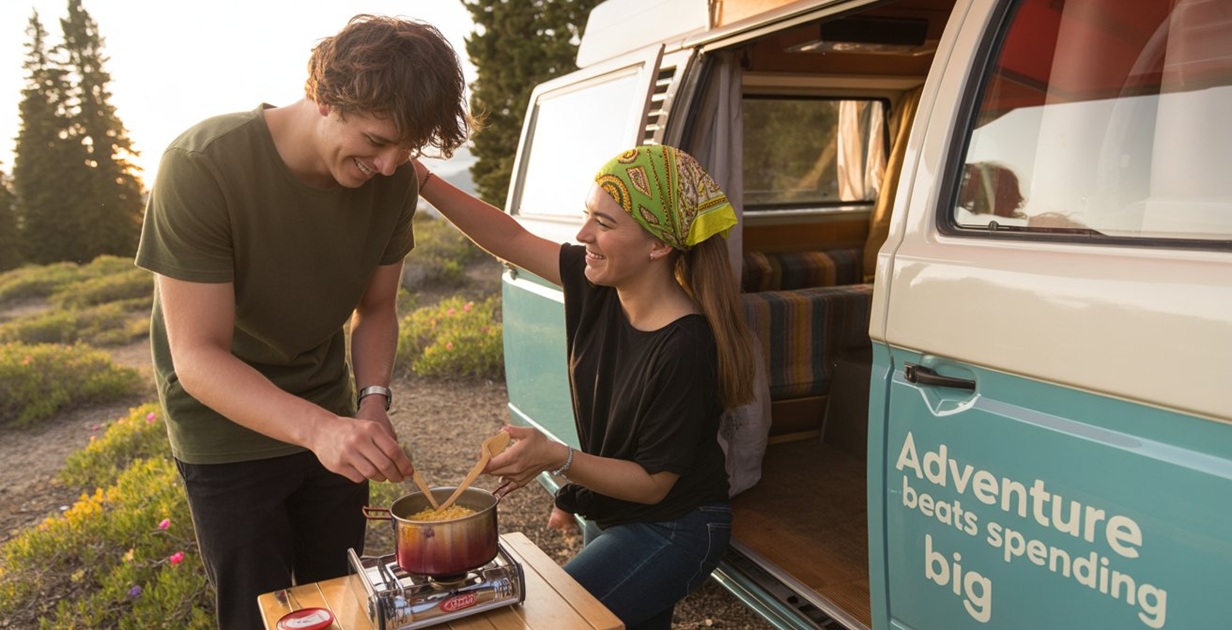
A road trip story about traveling with little money turns every tough moment into a chance for smart thinking and new friends. The adventure follows travelers who, even with not much cash, find special ways to explore. They camp in national forests, cook simple meals, and enjoy free fun like looking at stars and hiking. Instead of busy tourist places, they find hidden gems by asking locals, making their trip richer and more personal.
Their ability to find solutions becomes a main part of the story. They might trade their skills for food or a place to sleep, do odd jobs along the way, or find people to share rides with to save money on gas. Problems, like a car breaking down far from anywhere, test how tough they are. A broken car might lead to a kind act from a stranger, showing that people are generous even in quiet places.
This kind of story is full of adventure, problem-solving, and human connection. Whether they play music for a warm meal, fix a car with tape, or find an amazing campsite by accident, the journey isn’t just about saving money. It’s about finding meaning in the simplest moments. By the end, the travelers come home with memories not just of places, but of the kindness and cleverness that made the trip truly unforgettable.
A Road Trip Story: The Budget Challenge
Liam and Chloe, fresh out of college with big dreams but small wallets, decided money wouldn’t stop them from seeing the country. Their plan for a big road trip? Smart thinking, lots of ramen noodles, and counting on the kindness of strangers. Their motto was simple: adventure beats spending big.
Their journey started with a super strict budget; every dollar was carefully planned. They slept for free in national forests, cooked meals on a small stove, and found showers at public beaches or truck stops. Fun came from hiking beautiful trails, looking at stars in quiet places, and playing music together with Liam’s old ukulele.
To make their little money last, they became very good at finding clever solutions. Chloe, good at taking pictures, and Liam, able to fix almost anything, traded their skills for food or a place to sleep. They looked online for people needing rides and offered lifts to others for gas money. They even took on small jobs, like picking fruit or walking dogs, to earn a few extra dollars.
Their best memories often came from having little money. Because they had to look for free campsites, they found amazing hidden natural spots that most tourists never saw. By trusting local advice, they discovered the tastiest and cheapest places to eat, enjoying delicious meals for much less.
The kindness of strangers became a regular part of their trip. A family in Montana, touched by their story, offered them a home-cooked meal and a warm bed. Musicians in New Orleans, impressed by Liam’s ukulele, invited them to play on the street and share their tips. A park ranger in Arizona, hearing about their tight budget, told them about a free, quiet campsite with amazing views.
Then came the Nevada desert. Under the hot sun, their old car coughed, sputtered, and finally stopped. Liam quickly checked, confirming their fear: a broken radiator hose. Stuck miles from any town, with little water left, a costly tow and repair were impossible. Panic flashed in Chloe’s eyes. But Liam, always resourceful, remembered a discarded rubber hose he’d seen days before. It was a long shot, but their only hope.
With a small knife and their trusty duct tape, Liam walked back under the harsh sun. Hours later, thirsty and tired, he amazingly found the old hose. It wasn’t a perfect fit, but it was something. Back at the car, they worked together. Liam carefully cut and moved the salvaged hose while Chloe wrapped it tightly with layers of duct tape. It was a makeshift fix, showing how desperate and clever they were. With hope, they refilled the radiator with their last drops of water.
Hesitantly, Liam turned the key. The engine hummed, and to their huge relief, it didn’t overheat right away. The patched-up repair held just long enough to get them to the next small town. There, they found a local garage run by an honest but gruff mechanic. Touched by their story and their cleverness, he gave them a discounted repair. In return, Chloe, always thinking, offered to take some striking photos for his website, using the desert as a background.
This struggle in the Nevada desert became a key moment of their trip. It pushed them to their limits, forced them to use their own cleverness and each other’s strengths, and ultimately showed them the unexpected kindness that can be found even in the most empty places. It was a strong reminder that when you travel with little money, being resourceful isn’t just useful; it’s necessary. And sometimes, the hardest moments lead to the most valuable connections. As they continued their journey, the duct-taped hose stayed a constant reminder of their toughness and the surprising wins of budget travel.
Idea 12: Racing Against Time on the Road Trip
 A road trip story idea built around a time-bound quest makes the journey intense, suspenseful, and full of big risks. The trip is pushed by a crucial deadline—maybe it’s delivering a special family treasure, reaching a loved one in time, or completing a mysterious family tradition. Every problem, from closed roads to unexpected car breakdowns, makes the urgency higher and tests how tough the travelers are.
Stress and determination shape the characters. Tensions will rise under pressure, showing hidden fears and personal struggles. But as they face setbacks together—fixing a blown tire in the pouring rain, finding their way on strange roads in the dark, or making quick decisions—they grow stronger, relying on trust and teamwork.
The ending gives a strong emotional feeling. Whether they succeed just in time or miss the deadline with surprising results, the journey changes them. Beyond the urgency, the trip becomes a test of their courage, their ability to solve problems, and the weight of their responsibility. In the end, racing against time isn’t just about getting to the destination—it’s about finding inner strength and the strong bonds made under pressure.
A Road Trip Story: Racing Against Time
The clock on the car’s dash ticked loudly, every second a painful reminder of their less and less time. Rain hit the windshield, blurring the fading light. Inside the old Jeep, tension filled the air between Liam and Sarah.
“We have to make it by midnight,” Liam mumbled, his hands tight on the steering wheel, eyes fixed on the road.
Sarah, her hand shaking, quickly looked for another way around a flooded road. “I can’t find anything!” she cried, sounding scared.
They were on a very important job: to take a special family treasure to a distant relative before midnight. This deadline, from an old family story, was a mystery. But the thought of failing was very scary. The old relative’s unclear warnings hinted that their family line might be broken, their past ties cut, if they didn’t make it. This uncertainty made them more and more worried, a fear of big but unseen problems.
For Liam, the pressure was huge. He felt the weight of many past family members on his shoulders, terrified of being the one to break an old rule. Not enough sleep made him grumpy, and his frustration sometimes came out at Sarah, but he quickly felt bad about it. Failing wasn’t just missing a time limit; it felt like a personal mistake, letting his family down.
Sarah, who usually thought clearly, found herself getting caught up in the rush. The old woman’s crying request and the old importance of the treasure had started to sink in. The idea of them causing some unknown, possibly terrible, problem filled her with growing fear. The unexpected delays—the flooded road, a flat tire—felt like personal tests, pushing them to their limits. The fear of letting Liam down, of them failing together after trying so hard, added to her worry.
Arguments happened during very stressful times, sharp and fueled by the fear of not making it. Both were on edge, the rush making their frustrations bigger. Yet, under this tension, their bond grew stronger. The shared hard times, the understanding of how much was at stake, made them lean on each other more than ever. Liam’s strong will was balanced by Sarah’s quick thinking, and his steady focus calmed her moments of panic.
Then, something bad happened. A worn tire burst with a loud bang. The Jeep suddenly swerved, throwing them against their seats. In the pouring rain, they struggled to change the tire, their hands shaking with anger and fear. As precious minutes slipped away, the weight of their possible failure pressed down, the unknown problems looking big in their minds.
Finally, just as they almost gave up hope, they managed to change the tire. Back on the road, they pushed harder than ever. The rain was now a steady beat against the windshield. They drove through the night, powered by excitement and a shared will to reach their goal. The threat of their family line being broken hung heavy in the air.
As the clock hit midnight, they pulled up to an old farmhouse, their journey’s end. The air was thick with expectation. They gave the package to the old woman. When she saw the treasure, she gasped, and tears filled her eyes. She explained the old story, why the deadline was so important, and how much their on-time delivery would help her family. With her words, a huge weight lifted from their shoulders.
Tired but thrilled, Liam and Sarah drove away. Their mission was done. Once a scary challenge, the road trip had become proof of their toughness, teamwork, and ability to get past what seemed like impossible problems under huge pressure. They had raced against time and won, creating a bond forever tied to their adventure and the unknown crisis they had stopped.
D. Creative and Imaginative Road Trip Story Ideas
These are stories that play with unusual ideas and creative scenarios.
Idea 13: The “Dice Roll” Based Road Trip
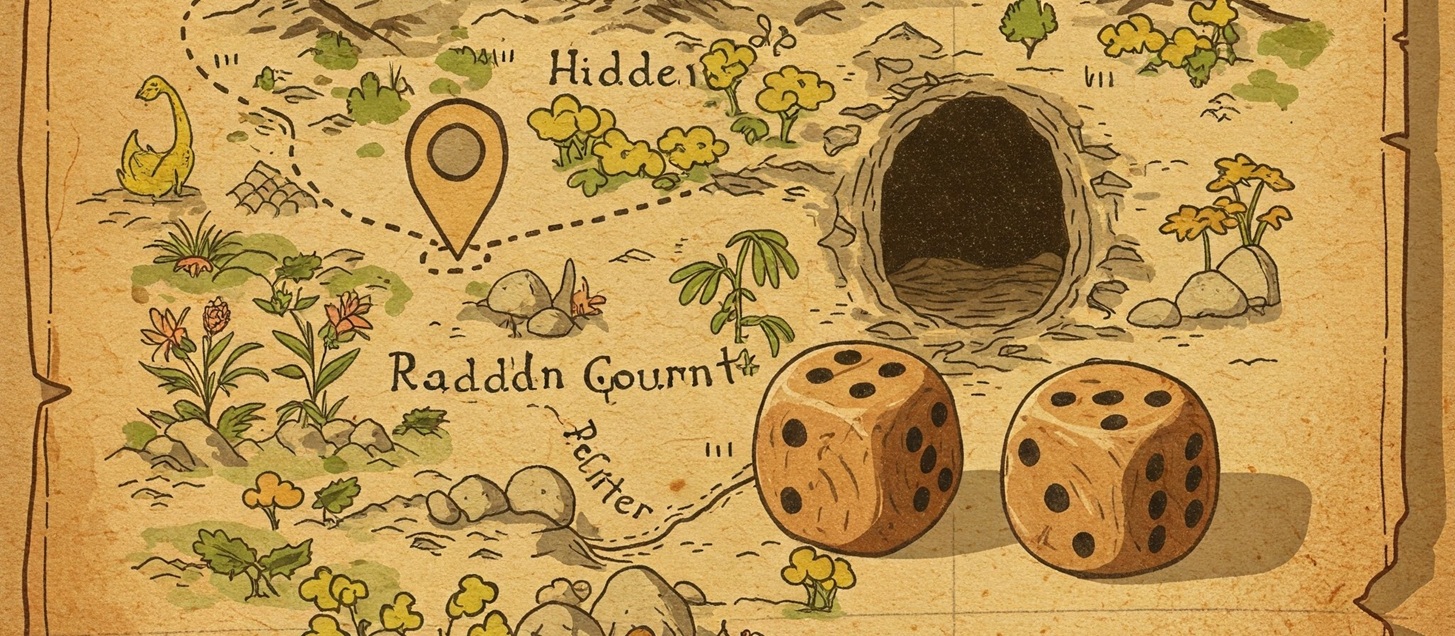
A road trip story based on a dice roll turns travel into an exciting game of chance. Instead of following a set plan, characters let the roll of a die decide where they go. This leads to surprising detours and strange meetings. They might find odd roadside museums, hidden festivals, or even a quirky person who believes in aliens, making every stop feel like a twist of fate.
This unpredictable way of traveling forces them to embrace sudden changes. They step out of their comfort zones to experience places they never would have picked. Whether they end up joining a llama trip by accident or watching the sunset from an old ghost town, every new place is a surprise. Humor, odd moments, and adventure shape the journey, with each dice roll adding excitement and suspense.
Beyond the randomness, the story holds a deeper idea: sometimes, the best experiences happen when you let go of control. The trip becomes a lesson in trust, being able to adapt, and finding joy in unexpected discoveries. By the end, the characters don’t just come back with wild stories; they return changed, realizing that fate, no matter how messy, always finds a way to lead them somewhere amazing.
A Road Trip Story: The “Dice Roll” Adventure
Maya and Ben, both feeling stuck in their normal lives, wanted an adventure they couldn’t control. Their answer: a road trip decided by pure chance. With a map, a six-sided die, and a bit of bravery, they set off. Their one rule: at every big turn or choice, the roll of the die would pick their way.
A coin flip decided how they’d leave their city. A dice roll chose their highway exit. Another roll picked left, right, or straight at a fork in the road. Their carefully planned trip was instantly thrown out. It was replaced by the wild choices of a rolling cube.
The first results were funny and random. A wrong turn led them to a weird museum full of rubber ducks. A high roll sent them down a pretty but super slow back road, adding hours to their drive. A low roll made them stop in a town they’d never heard of, where they found a lively local music festival.
With each roll, their plans were broken. They found themselves in places they never would have chosen, doing things they never would have planned. They ate at strange diners, visited unclear old signs, and even accidentally joined a llama walking trip. This chance element made them accept sudden changes and let go of wanting to control everything.
Then came an important role at a dusty crossroads in Arizona. The die landed on a barely marked dirt road. It pointed to a sign that simply read, “Alien Observation Post – Next 17 Miles.” Curious and a little nervous, Maya and Ben decided to follow their fate.
The road quickly got worse, leading them through increasingly odd places with strange rock shapes and what looked like old satellite dishes. Finally, they reached a small, run-down building decorated with tinfoil and blinking lights. A sign painted by hand proudly said, “Welcome Earthlings!”
The owner, a thin man named Earl with wide, excited eyes and a tinfoil hat, greeted them with a strong handshake. Earl, as the sign suggested, truly believed in aliens. He spent his life watching for and noting their presence.
What happened next was a day unlike any other. Earl, with full belief, showed them his “proof”: blurry photos of UFOs, detailed drawings of alien ships, and stories of close meetings that went from somewhat possible to totally unbelievable. He even took them on a “sky watch” using homemade tools made of mirrors and colanders, pointing out “hidden ships” that looked suspiciously like clouds.
Maya and Ben, at first doubtful, found themselves more and more pulled into Earl’s world. His true passion and strong belief were strangely catchy. They listened patiently to his ideas, amazed by the tiny details he had made up. They even found themselves looking at the sky with a new sense of wonder, half-expecting a flying saucer to show up.
They knew how crazy the situation was. Here they were, their trip chosen by a random dice roll, spending a day with a self-proclaimed alien expert in the middle of nowhere. It was exactly the kind of unexpected turn their fate-driven trip seemed set to deliver.
By the end of the day, as the sun began to set over the strange landscape, Maya and Ben said goodbye to Earl. They felt a mix of amusement and confused wonder. They drove away, their talk filled with Earl’s ideas and their shared experience. Had they found proof of aliens? Probably not. But they had met a unique and unforgettable person, proving the wonderfully strange parts of the world you only find when you let go of the map and trust the roll of a die. This odd detour became a highlight of their adventure, a funny reminder that fate, in its endless randomness, often has a strange sense of humor.
As their unplanned trip neared its end, Maya and Ben realized they had found something important. By giving up control, they had opened themselves to a world of surprising chances. Their road trip, guided by a simple dice roll, had shown that sometimes, the best adventures are the ones you never see coming. The story of their journey was messy, funny, and freeing. It was a reminder that fate, in its unpredictable wisdom, can lead you to the most amazing places and experiences.
Idea 14: The “Postcard Inspiration” Road Trip
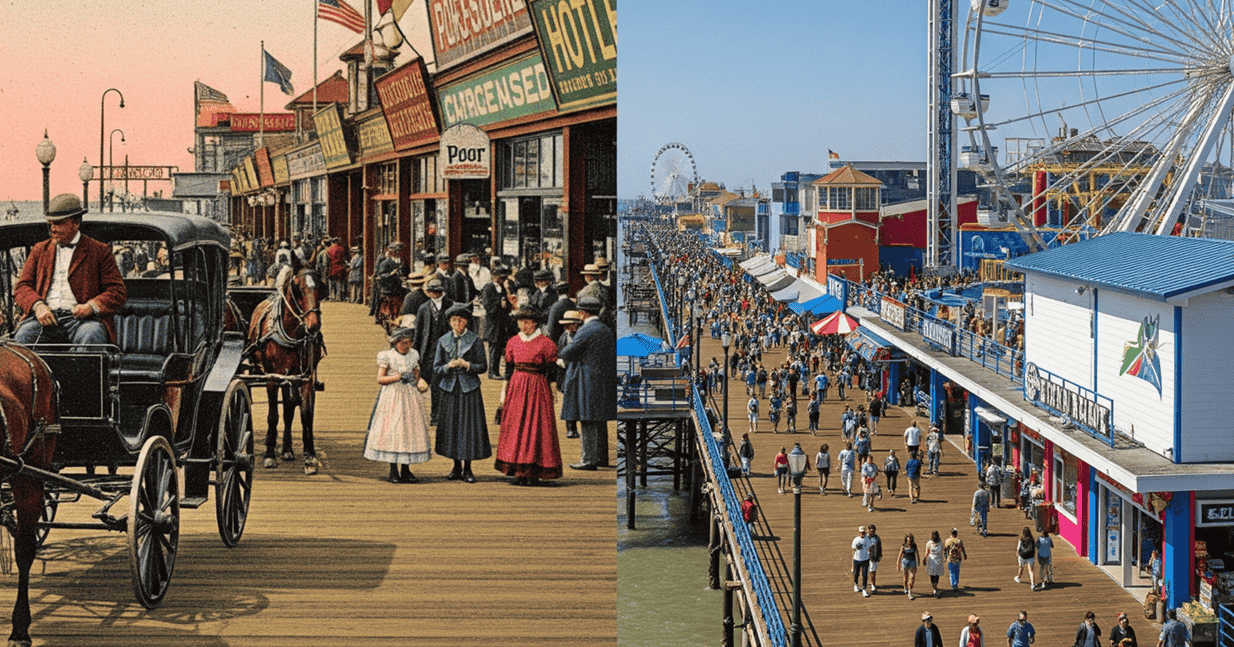
A road trip story inspired by old postcards turns travel into a trip through time. The adventure starts when a character finds old postcards showing places from many years ago. Curious, they set out to find these spots, learning how they’ve changed and the stories behind them.
When they arrive, they might find modern places where old charm has gone. This leads them to look for locals, old records, or forgotten landmarks. Talking with older residents or looking at hidden papers shows the rich history of the place—maybe an amusement park that was once lively, a big dance hall where people danced, or a pier that held memories for many families.
The heart of the story is about connection, not just to the past, but to the people who lived in it. The journey becomes more than just seeing places; it’s about understanding what a place has left behind and the feelings tied to it. By the end, the traveler doesn’t just collect pictures; they collect stories, connecting history and today in a way that makes the past feel alive again.
A Road Trip Story: Inspired by Old Pictures
Eliza found a shoebox of old, faded postcards from her grandmother. Each one was like a window into a past she never knew. One card especially caught her eye: a lively picture of the “Ocean View Pier – 1958.” It showed a busy wooden pier going into a sparkling blue ocean, with a tall Ferris wheel lit up. People in old swimsuits walked around, laughter seemed to come from the picture, and the air felt full of happiness. A strong feeling of wanting to know more about her grandmother’s past made Eliza decide to take a road trip.
With the shoebox and her modern GPS, Eliza set off. The directions for “Ocean View Pier” led her to a modern city by the sea, very different from the charming scene on the postcard. When she got there, she found a wide, concrete walkway with bright shops selling beach clothes and gifts. A new, shiny Ferris wheel stood where the old one used to be. The whole place felt more like a business and less full of old memories.
Eliza was a little sad, but she didn’t give up. She went to the local history center. She showed the faded postcard to a kind, older woman there. The woman’s eyes lit up. “Ocean View Pier! Oh, I remember that,” she said with a soft smile. “It was the heart of our town back then.”
She pulled out a large, black-and-white photo album, full of pictures of the old pier. Eliza looked closely at them, comparing them to her postcard. The general shape was the same, but the small details were different. The wooden floor, the fancy railings, the cute little shops on the pier—all had been replaced by new buildings.
The woman shared stories of her younger days at the pier: riding the carousel, playing arcade games, and watching fireworks explode over the ocean. She talked about the dances held in the big hall at the end of the pier, and how the salty air smelled of popcorn and cotton candy. Her memories painted a clear picture of the lively place seen in the faded ink of the postcard.
Curious, Eliza looked deeper into the old town records. She found old newspaper articles about the pier being built long ago, its busiest time in the middle of the century, and how it later fell apart because of storms and changing tastes. She learned about the families who owned and ran the different rides, their lives tied to the pier’s history.
One article mentioned a small fire that had damaged part of the pier in the early 1960s. This small piece of information explained the slight differences she saw between her postcard and the older photos. It was a real part of the pier’s story, a moment of change caught in time.
Eliza even managed to find an old man who had worked at the pier as a teenager in the 1950s. He told stories about the busy crowds, the lively feel, and the strong sense of community around the pier. He remembered the original Ferris wheel, its slow, creaking climb offering amazing views of the coast. This detail brought the main image of the postcard to life.
By the end of her research, Eliza felt a deep connection to the Ocean View Pier of 1958. Even though the physical building was mostly gone, its spirit lived on in the memories of the town’s people and the faded picture in her hand. The postcard was no longer just a picture; it was a way into a vibrant past, a reminder of a time when life seemed simpler and joy was found in the easy fun of a seaside park—a place her grandmother had once known and enjoyed. Eliza left Ocean View, not with a perfect copy of the postcard, but with a rich understanding of its history and the stories of the people who had once walked those wooden planks, including a small look into the youthful joy of the grandmother she never truly knew.
Idea 15: The “Mystery Destination” Road Trip
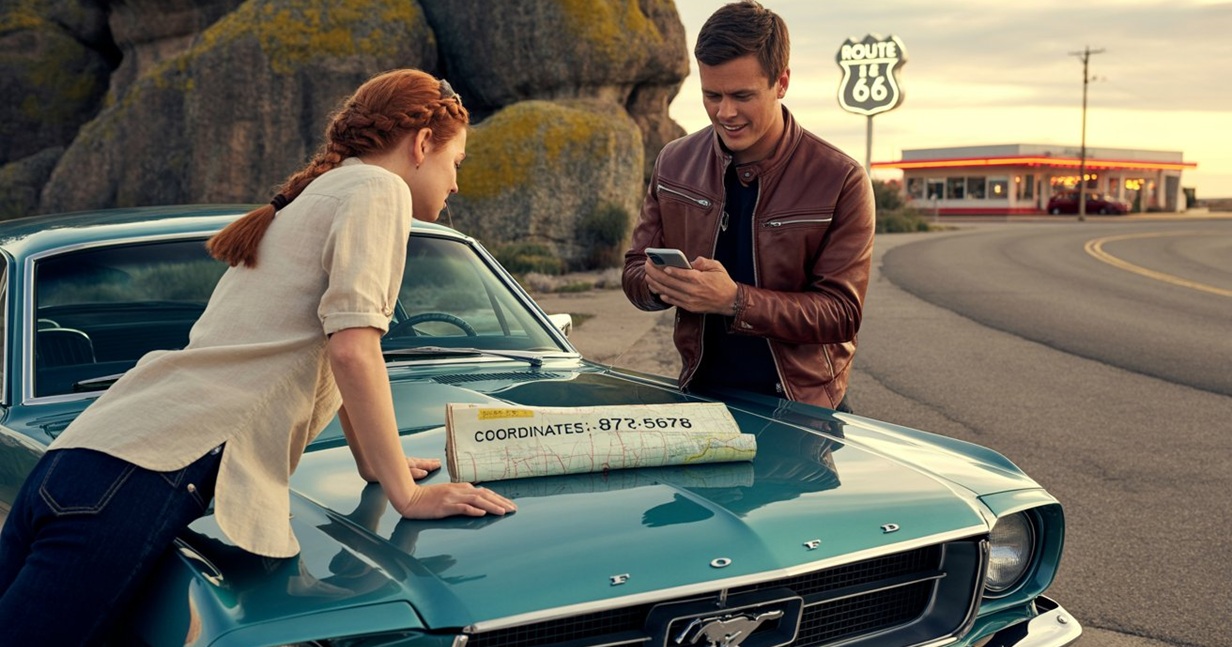
A road trip story with a mystery destination adds suspense, excitement, and personal discovery. The adventure begins with travelers who follow cryptic clues—maybe sealed envelopes, riddles, or GPS numbers—leading them through unknown places. Each stop reveals small pieces of a bigger puzzle, pushing them to solve old historical secrets or personal mysteries along the way.
The journey challenges them to think in new ways, handle surprises, and trust the unknown. Whether they figure out hidden messages, take unexpected detours, or uncover forgotten landmarks, each discovery makes the story deeper. The final destination, shown after much waiting, brings everything together. It could be a place important to them, a surprising historical treasure, or even the home of a friend who planned the whole adventure.
This kind of story thrives on curiosity, twists, and deep feelings. The travelers don’t just explore places; they uncover secrets, solve puzzles, and finally learn something important about themselves. By the end, the trip isn’t just about getting to a place; it’s about embracing the thrill of mystery and the power of the unexpected.
A Road Trip Story: The Mystery Destination
Liam and Chloe, who loved unusual adventures, started a road trip with a secret end spot. Their friend Alex, who was good at tricky travel plans, had set up everything. He only gave them sealed envelopes to open at certain times. Their trip began at home; after that, Alex’s mysterious clues would show them the way.
Their first envelope held a riddle and a map with a strange mark. Solving the riddle led them to a small town a few hours away. There, their second envelope waited at a quirky old shop. This one had a photo of an odd rock and exact map numbers. Putting these into their GPS sent them further west, and the land slowly changed around them.
Then came their third envelope, with what looked like a random mix of numbers and letters: “34.0522° N, 118.2437° W + VII – II + Oak + 1812.” Liam, who loved puzzles, instantly knew the first part was map coordinates, pointing to downtown Los Angeles.
Arriving in the busy city center, surrounded by tall buildings, they puzzled over “VII – II.” After much thought, they realized it was Roman numbers for 7 minus 2, which is 5. This made them look for something about the number five in Los Angeles.
“Oak” seemed out of place. They searched a nearby park for important oak trees but found nothing that seemed to fit. Finally, Chloe remembered an old fact about Los Angeles: its first Spanish name was very long, and it roughly meant “The Town of Our Lady the Queen of the Angels of the Porciúncula River.” She wondered if “Oak” was a hint to the “Oak of the Sickly Sweet Land,” part of that old name.
“Angels!” Liam cried, connecting it to the city’s modern name. Now, what about “+ 1812“? They looked up historical events in Los Angeles around that year. While 1812 itself didn’t immediately make sense, they found out the first town was officially started in 1781. The difference between 1812 and 1781 was 31.
Putting the clues together – the Los Angeles map numbers, the number 5, and the “Angels” link with the number 31 – they still felt something was missing. They spent hours exploring downtown, getting more and more frustrated.
Finally, Liam noticed a series of historical plaques set in the sidewalk near the first town’s site. One plaque, honoring the five founding families of Los Angeles, had a clear oak tree symbol. Below the symbol was a date: 1781. Then, his eyes moved down the plaque, and he saw it – a small note about a big growth of the town that finished in 1812, adding thirty-one new settlers.
The “VII – II” wasn’t just the number 5; it was the fifth plaque in the series. And the “Oak” wasn’t just a tree; it was a symbol on that exact plaque. The seemingly random string of letters and numbers had led them on a small history hunt through the heart of Los Angeles. This gave them their next clue – directions to a specific address in the Hollywood Hills.
With each envelope, the mystery grew deeper. But the Los Angeles puzzle remained a highlight of their trip, showing how well Alex had planned and how their teamwork grew. The excitement of the final reveal pushed them forward, driven by the challenge of the clues and the surprising things they found.
As they reached the final envelope, tucked away in a mailbox at a random roadside stop, a feeling of nervous excitement filled the car. Inside was a final, handwritten note from Alex: “The place where our stories first intertwined, where dreams took flight under a starlit sky. Look up.“
Confused, Liam and Chloe got out of the car. They were in a quiet desert, with the huge night sky above them, a stunning blanket of stars. Then, Chloe gasped, pointing to a small, lit-up observatory on a nearby hill. It was the very observatory where they had first met years ago, during a night for watching stars.
The mystery destination wasn’t some far-off place or famous spot; it was a place with deep personal meaning. It was a strong reminder of their shared past and the start of their own adventure together. Alex’s tricky journey wasn’t just about the thrill of the unknown; it had been a carefully planned path leading them back to their roots, to the place where their own story had begun. The surprise reveal wasn’t just exciting; it was deeply meaningful, turning their mystery road trip into a heartfelt journey of rediscovery and connection.
How to Tell Great Road Trip Stories
To tell a great road trip story, focus on vivid sensory details that bring the life journey—describe the warmth of the sun, the scent of fresh pine, or the crackling sound of gravel under the tires. Show how the characters evolve, whether they overcome fears, strengthen relationships, or gain a new perspective. Embrace surprises, as the best moments often come from wrong turns, unexpected encounters, or last-minute changes in plans. Finally, tie your story to a bigger theme, like the search for freedom or personal discovery, making it resonate beyond just the adventure itself.
Telling Your Story the Right Way
When sharing road trip stories, it’s important to balance creativity with respect and authenticity. Be mindful of local cultures—embrace traditions, learn from locals, and engage with places thoughtfully. Keep descriptions accurate; exaggeration can make a story feel less genuine. Respect people’s privacy by avoiding personal details without permission, especially when writing about encounters on the road. Finally, be a responsible traveler—preserve nature, leave no trace, and ensure the places you visit remain just as beautiful for future explorers. Thoughtful storytelling makes a journey more meaningful.
Wrapping Up
Every journey carries a unique energy, shaped by the roads taken and the people met along the way. Hopefully, these ideas have fueled your imagination, inspiring you to craft a tale that captures the magic of exploration. So, where will your story take you? Will it follow a historical path, chase natural wonders, or uncover a hidden mystery? The road is waiting, and your narrative is ready to unfold—embrace the adventure and let your creativity drive the journey forward!


