Berlin Wall Travel Guide: Walk Through History in Berlin

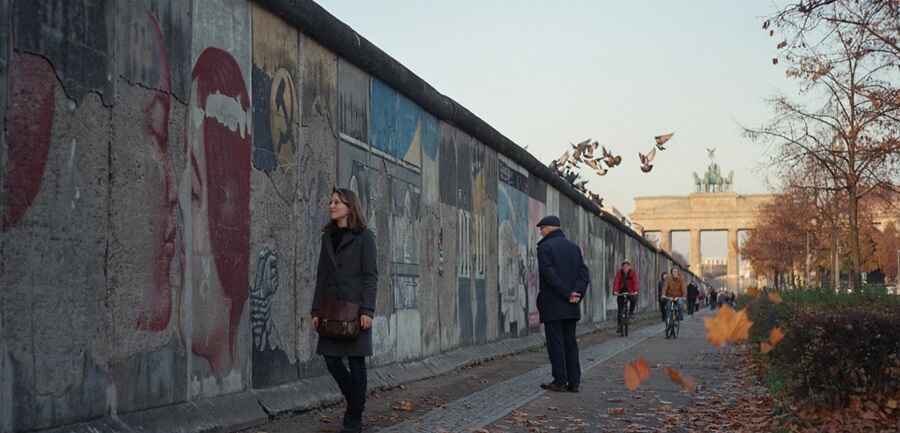
Have you ever walked through a place where history feels almost as real as the streets around you? Berlin is one of those cities. Few places in Europe tell the story of division, political change, freedom, and reunification as clearly as Berlin.
The Berlin Wall once divided East and West Berlin for nearly three decades. Today, much of the physical wall has disappeared, but its former route, preserved sections, memorials, museums, and street markers allow travelers to understand what the city was like during the Cold War.
From the Berlin Wall Memorial and East Side Gallery to Checkpoint Charlie, Brandenburg Gate, and Potsdamer Platz, Berlin offers many ways to explore this important chapter of modern history.
This Berlin Wall travel guide will help you discover the most meaningful places connected to the Wall, understand their historical importance, and plan a practical 2–3 day trip around Berlin.
A Brief History of the Berlin Wall
After World War II, Germany and Berlin were divided into different occupation zones. Over time, Germany developed into two separate states: West Germany and East Germany.
Berlin was also divided between East and West.
Beginning on August 13, 1961, East German authorities began closing the border between East and West Berlin. The barriers developed into a heavily guarded border system that became known around the world as the Berlin Wall.
The Wall was intended to stop the growing movement of people from East Germany to the West. It included concrete barriers, fences, watchtowers, a restricted border zone, and other security measures.
For almost 30 years, the Wall became a powerful symbol of the Cold War and the division between communist Eastern Europe and the Western bloc.
Then, on November 9, 1989, a confused announcement about changes to travel regulations led to large crowds gathering at Berlin’s border crossings. Border controls began to open, and the Wall’s role as a closed border effectively came to an end.
Germany was officially reunified on October 3, 1990.
Today, Berlin uses the remaining sections of the Wall and the former Wall route to preserve these memories for future generations.
Why the Berlin Wall Still Matters to Travelers
Travel isn’t only about seeing beautiful places. Sometimes it is about understanding the events that shaped them.
The Berlin Wall tells a story about political division, restrictions on movement, families and communities separated by a border, and the dramatic changes that followed in 1989.
Exploring Berlin today also shows how cities can change.
Where there was once a heavily guarded border, you can now find public spaces, cycling routes, art, cafés, transportation links, and busy neighborhoods.
If you enjoy historical travel, you may also like The River That Changed History: Traveling the Magna Carta Trail, another journey where important historical events can be explored through real places.
Walk Through History in Berlin
1. Berlin Wall Memorial at Bernauer Straße
If you want to understand the history of the Berlin Wall beyond taking photographs, the Berlin Wall Memorial at Bernauer Straße should be one of your first stops.
This area preserves part of the former border landscape and explains how the Wall affected everyday life.
The memorial includes preserved sections of the border fortifications, a watchtower, an observation area, documentation, and information about people who lived in the area during the division of Berlin.
Bernauer Straße is particularly important because the Wall ran directly alongside buildings and homes. The area therefore became connected with many dramatic changes to residents’ everyday lives after the border was closed.
Why Visit?
- Learn how the Wall divided neighborhoods.
- See preserved parts of the former border system.
- Understand the experiences of people living near the Wall.
- Explore historical information and documentation.
- See the former Wall route in its original urban context.
Allow several hours if you want to explore the memorial carefully.
2. East Side Gallery
The East Side Gallery is one of the best-known remaining sections of the Berlin Wall.
Located along the Spree River, this long stretch of the former Wall was transformed into an open-air gallery after the Wall fell. Artists from different countries created murals expressing ideas about freedom, political change, hope, and the future.
One of the most recognizable paintings is Dmitri Vrubel’s “My God, Help Me to Survive This Deadly Love,” commonly known as the Fraternal Kiss.
The artwork has become closely associated with Berlin’s Cold War history.
Today, the East Side Gallery combines historical remains with contemporary public art, making it an interesting place for both history enthusiasts and travelers interested in photography and street art.
Travel Tip
The East Side Gallery is outdoors, so you can visit it while walking through the surrounding Friedrichshain area. Take time to look at the individual artworks rather than treating the Wall simply as a photo background.
3. Checkpoint Charlie
Checkpoint Charlie was one of the most famous crossing points between East and West Berlin during the Cold War.
It became particularly significant in October 1961, when American and Soviet tanks faced each other near the checkpoint during a tense confrontation.
Today, the guardhouse you see at the site is a replica rather than the original Cold War structure.
Although the area is now surrounded by modern businesses and busy streets, Checkpoint Charlie remains an important stop for understanding Berlin’s divided past.
What to See Nearby
You can combine your visit with:
- Information panels about the checkpoint
- Historical markers
- Nearby museums and exhibitions
- Friedrichstraße shopping areas
- Other Cold War-related locations
Because attractions and exhibitions can change, check current opening information before visiting.
4. Brandenburg Gate
The Brandenburg Gate is one of Berlin’s most recognizable landmarks, but it is important to understand its relationship with the Berlin Wall correctly.
The gate itself was not part of the Berlin Wall.
During the Cold War, however, the Brandenburg Gate stood in a restricted border area and was located on the East Berlin side of the Wall. Access around the monument was heavily restricted.
After reunification, the Brandenburg Gate became a powerful symbol of a united Berlin and Germany.
Today, it is one of the best places to reflect on how dramatically Berlin’s political landscape changed after 1989.
5. Potsdamer Platz
Potsdamer Platz offers another fascinating example of Berlin’s transformation.
Before World War II, it was one of Europe’s busy urban centers. After the war and the division of Berlin, the area became part of the border zone and was cut through by the Berlin Wall.
Very little of the old urban landscape survived the destruction and decades of division.
Today, Potsdamer Platz is filled with modern architecture, offices, shops, restaurants, and entertainment venues. Historical markers and remaining Wall fragments help visitors understand how different the area once looked.
It is an excellent place to see the contrast between Cold War Berlin and modern Berlin.
6. Explore Berlin’s Cold War Museums
Berlin has several museums and exhibitions that can help you understand the city beyond the remaining Wall itself.
Some useful places to consider include:
DDR Museum
The DDR Museum focuses on everyday life in East Germany. Interactive displays explore subjects such as housing, work, education, transportation, and leisure.
Tränenpalast
The Tränenpalast, or “Palace of Tears,” was a former border crossing at Friedrichstraße station. Today, it contains an exhibition about the experiences of people crossing between East and West Berlin.
German Historical Museum
The museum provides broader historical context for Germany’s political and social development, helping visitors place the Berlin Wall within a much larger story.
Museum opening hours, exhibitions, and ticket arrangements can change, so check current information before your visit.
Walk or Cycle the Berlin Wall Trail
One of the most interesting ways to explore Berlin’s history is by following the Berlin Wall Trail.
The trail follows the former course of the Wall around West Berlin for roughly 160 kilometers. It includes historical information, memorials, preserved sections, watchtowers, and markers showing where the former border stood.
However, you do not need to walk the entire trail during a short vacation.
Instead, choose individual sections based on your interests.
For example, you could explore:
Bernauer Straße → Brandenburg Gate → Checkpoint Charlie → Potsdamer Platz → East Side Gallery
This gives you a manageable introduction to several important locations without attempting the entire route.
Cycling is another good option for travelers who want to cover more ground.
Discover Modern Berlin Alongside Its History
Berlin isn’t only about the Cold War.
Once you’ve explored the historical sites, spend some time discovering the city’s modern personality.
Areas such as Friedrichshain, Kreuzberg, and Prenzlauer Berg offer a different side of Berlin, with cafés, restaurants, galleries, music venues, street art, parks, and independent shops.
This combination is one of Berlin’s greatest strengths.
You can spend the morning learning about the city’s divided past and the afternoon exploring contemporary neighborhoods.
A Simple 2–3 Day Berlin Wall Itinerary
You don’t need a complicated schedule to explore the city’s Wall history.
Day 1: Understand the Wall
- Berlin Wall Memorial
- Bernauer Straße
- Tränenpalast
- Explore central Berlin
Day 2: Famous Cold War Landmarks
- Brandenburg Gate
- Reichstag area
- Checkpoint Charlie
- Potsdamer Platz
- Nearby museums
Day 3: Wall Art & Modern Berlin
- East Side Gallery
- Spree River area
- Friedrichshain
- Kreuzberg
- Additional Wall Trail sections
If you only have two days, combine Days 2 and 3 according to museum schedules and your interests.
Best Time to Visit Berlin
Berlin can be visited throughout the year, but spring and autumn can be particularly comfortable for walking and cycling.
Summer generally offers longer daylight hours but can also bring more visitors.
Winter is colder and has shorter daylight hours, but indoor museums can make it a worthwhile time for a history-focused trip.
If you’re particularly interested in the anniversary of the Wall’s opening, November 9 is historically significant because it marks the date in 1989 when the border crossings began opening.
Check the city’s current event calendar if you plan to visit around this date.
Practical Tips for Visiting the Berlin Wall
Wear Comfortable Shoes
Many historical sites are spread across different neighborhoods, and you may spend hours walking.
Use Public Transportation
Berlin’s public transportation system makes it relatively easy to move between major historical locations.
Check Museum Hours
Not every museum or exhibition has the same opening schedule. Check current hours and ticket requirements before going.
Don’t Expect One Continuous Wall
Large sections of the original Wall were removed after 1989. What remains today includes preserved sections, memorial areas, fragments, and marked sections of the former route.
Read the Historical Information
The markers and exhibitions are often more valuable than simply seeing the concrete itself. They explain what happened at specific locations and help connect the physical landscape with personal stories.
Respect Memorial Sites
Some locations commemorate people who suffered because of the division. Take photographs respectfully and give memorial spaces the attention they deserve.
Frequently Asked Questions
Can you still see the Berlin Wall?
Yes. Several preserved sections remain, including the East Side Gallery and parts of the Berlin Wall Memorial at Bernauer Straße. There are also smaller fragments and markers throughout Berlin.
How long is the Berlin Wall Trail?
The Berlin Wall Trail follows the former Wall route for roughly 160 kilometers around West Berlin. You don’t need to complete the entire trail to experience its most important historical sections.
Is the East Side Gallery free to visit?
The outdoor gallery can generally be visited without an admission ticket, although nearby museums and exhibitions may charge admission.
Where is the best place to learn about the Berlin Wall?
The Berlin Wall Memorial at Bernauer Straße is one of the strongest places for historical context because it preserves parts of the former border landscape and explains its impact on local residents.
Can I explore the Berlin Wall in one day?
Yes, you can see several major locations in one day, but two or three days will give you more time for museums, memorials, and different sections of the former Wall route.
Conclusion
The Berlin Wall may no longer divide the city, but its history remains visible throughout Berlin.
From the preserved border landscape at Bernauer Straße to the murals of East Side Gallery, every location offers a different perspective on the city’s divided past. Brandenburg Gate and Potsdamer Platz show how dramatically Berlin’s landscape has changed, while museums and memorials provide the deeper historical context that a quick visit to the Wall alone cannot offer.
The best way to experience Berlin’s Wall history is to slow down, read the information, visit a memorial or museum, and then walk through the modern neighborhoods that grew around these historic places.
Berlin today is a city shaped by both its difficult past and its remarkable transformation—and that combination makes it one of Europe’s most meaningful destinations for history-focused travelers.