The River That Changed History: Traveling the Magna Carta Trail

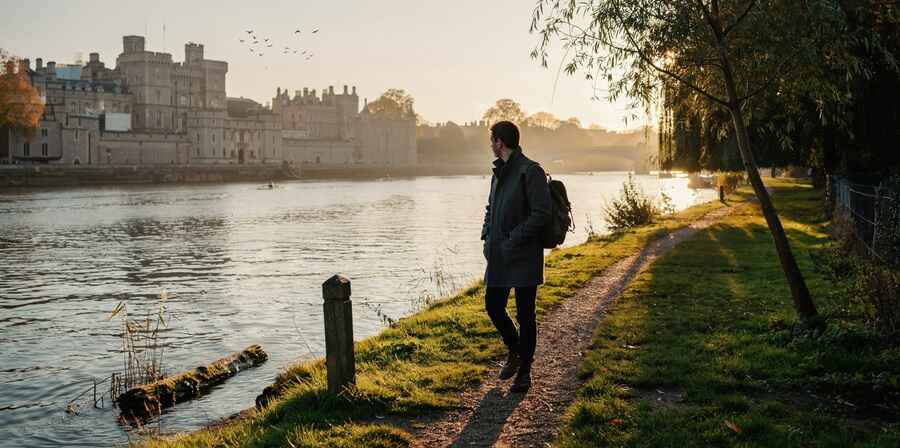
Some places carry the memory of events that changed the course of history. Runnymede, beside the River Thames in England, is one of them.
In 1215, King John agreed to the Magna Carta at Runnymede after a conflict with a group of rebellious barons. The charter placed important limits on royal authority and became an enduring symbol of the idea that rulers should be subject to the law.
Today, travelers can visit Runnymede, explore historic Windsor, follow the River Thames, and continue to London to see places connected with England’s long constitutional and legal history.
This journey is not about following one exact medieval road. Instead, it brings together several places that help tell the story of the Magna Carta and the development of ideas about law, government, and individual rights.
What Is the Magna Carta?
The Magna Carta, meaning “Great Charter,” was agreed and issued at Runnymede in June 1215 during the reign of King John of England.
King John was facing opposition from rebellious barons, and the charter set out a series of promises and limitations concerning royal government, justice, taxation, and feudal relationships.
It did not create modern democracy or establish equal rights for everyone in the way we understand those ideas today. However, some of its principles became important in later interpretations of constitutional government and the rule of law.
Key Facts
✔️ Date: June 15, 1215
✔️ Location: Runnymede, near the River Thames in Surrey
✔️ King: John, King of England
✔️ Meaning: “Magna Carta” means “Great Charter”
✔️ Original Clauses: The 1215 charter contained 63 clauses
✔️ Main Themes: Royal authority, justice, taxation, and feudal rights
Core Ideas Associated With the Magna Carta
✔️ Rule of Law: The Magna Carta became an important historical symbol of the principle that rulers are subject to the law.
✔️ Justice: Some clauses addressed unlawful imprisonment and the administration of justice.
✔️ Limits on Royal Power: The charter placed specific restrictions on aspects of King John’s authority.
✔️ Historical Influence: Later generations interpreted and reused Magna Carta’s ideas in debates about constitutional government and individual liberties.
Why the Magna Carta Still Matters to Travelers
The Magna Carta is more than an old medieval document. Its history offers travelers an opportunity to explore how ideas about law, authority, justice, and government developed over centuries.
Visiting the places connected with the charter can also make history easier to understand. Instead of seeing the Magna Carta only as something written on parchment, travelers can explore the landscapes, castles, rivers, and cities surrounding its story.
The journey also shows how historical events can influence places far beyond the original event. Runnymede represents the medieval setting, Windsor provides a glimpse into royal power, and London connects the story with England’s later constitutional and legal institutions.
If you enjoy turning major historical events into travel journeys, you can also explore 10 Alexander the Great Sites Every History Fan Must See.
Traveling the Magna Carta Trail
1. Runnymede – Where the Magna Carta Was Agreed
Runnymede is the most important stop on this journey because it is where King John agreed to the Magna Carta in 1215.
Located beside the River Thames in Surrey, the area is now a peaceful landscape of meadows and riverside paths. The contrast between its quiet appearance today and its importance in medieval history makes it a memorable place to visit.
Travelers can explore the Magna Carta Memorial, visit the nearby John F. Kennedy Memorial, and walk through the surrounding countryside.
Runnymede is particularly enjoyable for travelers who like combining historical sites with outdoor walking.
Rather than treating the area simply as a monument, take some time to appreciate the landscape and imagine how different this riverside setting would have looked more than 800 years ago.
Spring and summer can be pleasant for walking, but weather in England can change quickly, so checking the forecast before your visit is useful.
2. Windsor – The Royal Connection
Windsor adds the royal side of the Magna Carta story.
The town is home to Windsor Castle, one of the world’s oldest and largest occupied castles. King John used Windsor as an important royal residence during his reign, making the town useful for understanding the political world surrounding the Magna Carta.
Windsor Castle is not where the Magna Carta was agreed, so it should be viewed as part of the royal context rather than the document’s signing location.
Visitors can explore Windsor Castle and St George’s Chapel, walk along the famous Long Walk, and discover the historic town center.
The River Thames also passes through Windsor, adding another connection to the geography of the journey.
Allow plenty of time if you want to explore the castle properly, and check opening days, admission information, and security requirements before visiting.
3. The Thames – River of Power and Change
The River Thames provides a natural thread connecting several places in this historic journey.
During medieval times, rivers were important for transportation, trade, communication, and access to settlements. The Thames helped connect communities and important royal locations in southern England.
At Runnymede, the river forms part of the landscape where the Magna Carta story unfolded.
Today, travelers can enjoy riverside walks, parks, boat trips, and views of historic towns along the Thames.
The river itself is not an archaeological monument to the Magna Carta, but experiencing the landscape helps put the medieval story into geographical context.
For a more relaxed experience, take time to walk beside the water rather than rushing from one attraction to another.
4. London – From Magna Carta to Constitutional History
London is a natural final stop for travelers interested in the longer historical story surrounding the Magna Carta.
The city became an important center of government, law, and political power over the centuries. Today, visitors can explore places connected with Britain’s constitutional and legal institutions.
Popular attractions include the Palace of Westminster, the Houses of Parliament, the UK Supreme Court, Westminster Abbey, and the British Museum.
These places do not represent direct locations where the Magna Carta was created. Instead, they help visitors explore the much longer development of Britain’s political, legal, and cultural history.
Walking around Westminster and along the Thames provides a useful way to connect medieval history with the institutions travelers see in modern London.
A Simple Magna Carta Travel Route
A 2-to-3-day Magna Carta-inspired journey can combine Runnymede, Windsor, and London without trying to cover too much in a short time.
Day 1 – Runnymede
Begin at Runnymede and spend time exploring the Magna Carta Memorial, surrounding landscape, and riverside paths.
If you enjoy walking, allow extra time to explore the area rather than immediately moving to the next destination.
Day 2 – Windsor
Continue to Windsor and spend the day exploring Windsor Castle, St George’s Chapel, the Long Walk, and the historic town center.
You can also enjoy the River Thames and the surrounding scenery.
Day 3 – London
Finish your journey in London with a visit to Westminster and other historical attractions.
Explore the Palace of Westminster, Houses of Parliament, Westminster Abbey, and the UK Supreme Court if their visitor arrangements fit your schedule.
You can also spend some time along the Thames before ending your trip.
This simple route combines medieval history, royal heritage, riverside landscapes, and modern constitutional institutions.
Practical Travel Tips
A Magna Carta-inspired trip is relatively easy to plan compared with many international historical routes, but a little preparation will make the experience smoother.
- Check transport times: Runnymede, Windsor, and London are close enough to combine, but public transport schedules can vary.
- Wear comfortable shoes: Runnymede involves outdoor walking, while Windsor and London can involve considerable time on foot.
- Check attraction hours: Windsor Castle, museums, and other attractions may have different opening days and seasonal schedules.
- Carry a rain layer: English weather can be unpredictable, especially when spending time outdoors.
- Bring some British pounds: Cards are widely accepted, but having some cash can still be useful in certain situations.
- Allow extra time: Don’t make the itinerary so tight that you cannot enjoy the historic surroundings.
- Use public transport where practical: Trains and buses can make travel between major destinations easier.
- Read about the Magna Carta beforehand: Even a short introduction can make the memorials and historic locations much more meaningful.
- Respect historic sites: Follow photography rules, signs, barriers, and local visitor guidelines.
For outdoor sightseeing, late spring through early autumn can be comfortable, but there is no guarantee of dry weather in England. Always check the forecast before heading out.
Frequently Asked Questions
Where was the Magna Carta agreed?
The Magna Carta was agreed and issued at Runnymede in Surrey, England, in June 1215.
Did the Magna Carta create modern democracy?
Not directly. The 1215 Magna Carta was a medieval charter dealing with specific political, legal, and feudal issues. However, later generations gave some of its principles a much broader constitutional significance.
Is Runnymede worth visiting?
Yes, especially for travelers interested in English history, constitutional history, and outdoor historical sites. The peaceful riverside landscape makes it very different from a traditional city attraction.
Is Windsor Castle part of the Magna Carta site?
No. Runnymede is the location associated with the agreement of the Magna Carta. Windsor is relevant because King John used Windsor as an important royal residence during the period.
How long do you need for the Magna Carta Trail?
A 2-to-3-day trip can provide a good introduction to Runnymede, Windsor, and London. Travelers with more time can explore additional historical attractions in Surrey, Berkshire, and London.
Conclusion
The Magna Carta is more than an ancient medieval charter. Its story is connected with real landscapes, royal residences, rivers, and cities that allow travelers to explore how ideas about law and government developed over time.
At Runnymede, you can stand in the landscape where the charter was agreed. In Windsor, you can explore the royal world surrounding King John, while London offers a look at the much later institutions shaped by Britain’s long constitutional and legal history.
The River Thames provides a natural thread through this journey, connecting historic landscapes with modern cities.
For history-loving travelers, following the Magna Carta Trail is a chance to turn a famous document into a real-world journey—and to discover how events from more than 800 years ago can still influence the way we think about law, power, and liberty today.