10 Days in Europe on a Budget: Prague, Budapest & Vienna Travel Guide

Many people think Europe is too expensive to visit.
But you can enjoy beautiful cities, tasty food, and fun activities without spending too much.
With good planning, you can travel Europe on a budget.
The key is to choose affordable places to stay, use low-cost transport, eat local food, and enjoy free sights.
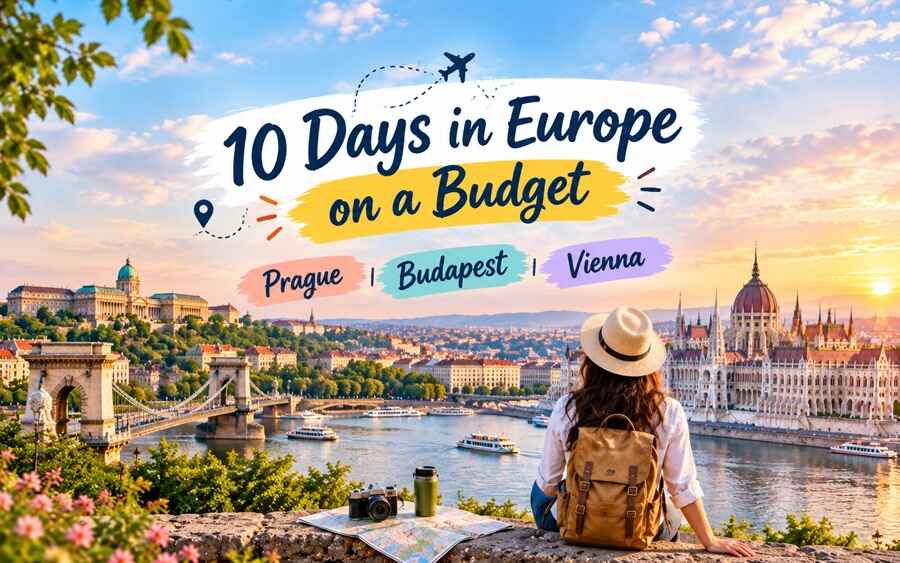
This guide gives you a simple 10-day Europe itinerary through Prague, Budapest, and Vienna.
Looking for more ideas? Explore our Europe Travel category.
10 Days in Europe on a Budget
- Days 1–3: Prague, Czech Republic
- Day 4: Prague to Budapest
- Days 5–7: Budapest, Hungary
- Day 8: Budapest to Vienna
- Days 8–10: Vienna, Austria
This trip gives you three famous Central European cities in 10 days.
Start Planning Before You Go
A budget trip starts before you leave home.
Your flights, travel dates, hotel, and transport can all change your total cost.
1. Choose Budget-Friendly Cities
Not every city in Europe costs the same.
Prague and Budapest can be good choices for travellers who want to see Europe without spending as much as they might in some other major European cities.
Other parts of Europe can also offer budget options.
Prices can change by season and location, so always check current prices before you book.
Choosing your cities carefully can help you spend less on food, hotels, and daily travel.
2. Find Affordable Flights
For travellers coming from Asia, Africa, or other regions outside Europe, the flight to Europe can be one of the highest costs.
Try these simple tips:
- Compare flight prices: Check different airlines and travel dates.
- Be flexible: Flights may cost less on some days than others.
- Check nearby airports: A nearby airport may have cheaper flights.
- Check baggage fees: A low ticket price may not include checked baggage.
- Book early when possible: This can give you more choices.
You can use flight search sites such as Skyscanner or Google Flights to compare prices.
Remember to check the full price, including baggage and other fees.
3. Transportation Plan
Transport is an important part of any Europe budget trip.
If you are travelling from Asia or Africa, you may first need an international flight to Europe.
After that, you need to think about airport transfers, travel between cities, and local transport.
Planning all these costs before your trip can help you avoid surprises.
I ) Getting to Europe
For this trip, you can start in Prague, Budapest, or Vienna, depending on flight prices.
- Compare flights to all three cities before booking.
- For example, a flight to Prague may be cheaper on your travel date, while Vienna may have a better deal on another date.
- You can also look at nearby airports if the saving is large enough to make the extra bus or train ride worthwhile.
II ) Airport to City: Check the Cheap Options
After a long international flight, it may be easy to take a taxi.
But taxis can add a high cost to a budget trip.
Before you arrive, check:
- Airport buses
- Trains
- Metro or local buses
- Official airport transfer services
- Taxi prices
Also check how far your hotel or hostel is from the airport and public transport.
A cheap room far from the city may not save money if you spend a lot on transport every day.
Travel Plan Between Prague, Budapest, and Vienna
Prague, Budapest, and Vienna are well connected.
You can usually compare buses and trains for the trips between these cities.
I ) Prague to Budapest
You can travel by bus or train.
- Bus: Often a good low-cost choice.
- Train: Can be more comfortable and may offer a nice view.
Companies such as FlixBus and RegioJet serve many routes in this part of Europe.
Prices can change based on the date, time, and how early you book.
Compare both options before buying your ticket.
An overnight bus may sometimes save you the cost of one night in a hotel.
But check the travel time and comfort before choosing it.
II ) Budapest to Vienna
The train is a popular choice between Budapest and Vienna.
Buses are also available, so compare both before booking.
Look at:
- Ticket price
- Travel time
- Departure time
- Baggage rules
- Extra fees
A slightly cheaper ticket may not always be the best deal if it takes much longer or has extra costs.
III ) Transportation Plan
You do not need taxis for every trip.
a) Public Transport
Prague, Budapest, and Vienna all have public transport systems.
You can use buses, trams, and metro or underground trains, depending on the city.
Check if the city offers a day pass or multi-day pass.
It may be useful if you plan to use public transport several times.
b) Walk When You Can
Walking costs nothing.
It is also a great way to see old streets, parks, buildings, bridges, and small local places.
Many famous sights in these three cities are close enough to explore on foot.
c ) Use Bikes When It Makes Sense
Some European cities have bike rental services.
A bike can be a fun and low-cost way to explore, but check the rental price and rules first.
A Sample Route for Travelling in Europe
Days 1–3: Prague, Czech Republic
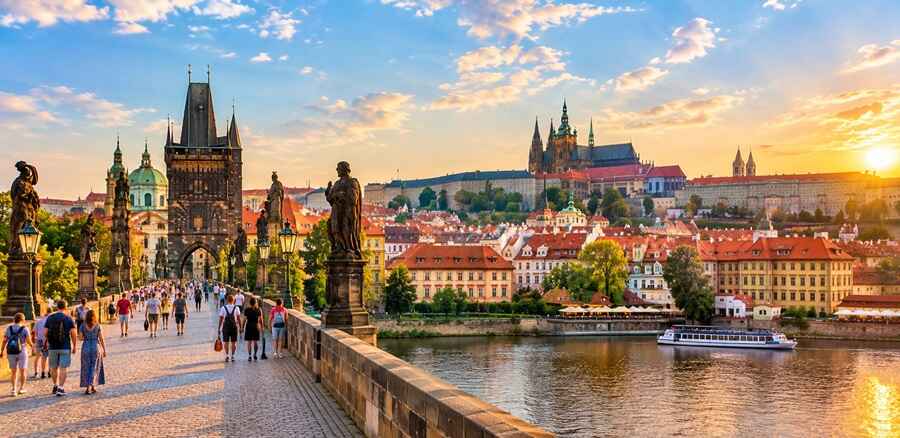
Start your trip in Prague, Czech Republic.
Prague is known for its old buildings, beautiful bridges, Prague Castle, and narrow streets.
It’s a great city for travellers who want history and beautiful views without spending too much.
Many parts of Prague are easy to explore on foot.
Where to Stay in Prague
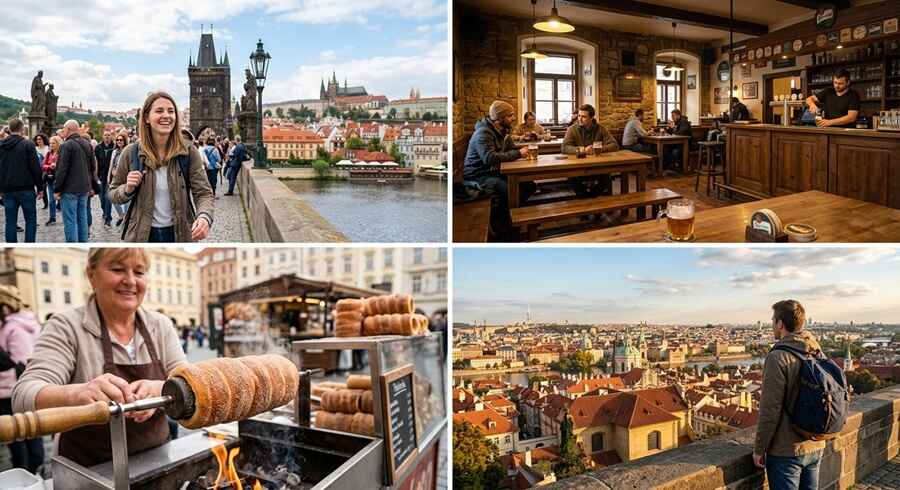
For a budget trip, look for a hostel or guesthouse near the Old Town or Lesser Town.
Staying close to the main sights saves time and transport costs.
Hostels are often cheaper than hotels.
Shared rooms usually cost less, and many hostels have shared kitchens.
You can buy simple food and cook some meals if your hostel allows it.
You can also look outside the busiest tourist areas.
Just make sure your accommodation is close to public transport.
What to Eat in Prague
Food is an important part of travel, but you do not need to eat at expensive restaurants.
Look for:
- Local bakeries
- Food stands
- Simple restaurants
- Local pubs
- Markets
You can try Trdelník, a sweet pastry often sold by street vendors.
You may also find Czech sausages and other simple foods for a quick meal.
For a traditional meal, look for a local pub called a hospoda.
You may find dishes such as goulash with dumplings or roasted pork.
Getting Around Prague
Walk when you can.
For longer trips, use public transport instead of taxis.
Before buying a ticket or pass, check the current fare and choose the option that best fits your plans.
Top Budget-Friendly Things to Do in Prague
Many parts of Prague are free or low-cost to enjoy.
You can:
- Walk across Charles Bridge
- Explore Old Town Square
- Walk around Lesser Town
- See Prague Castle from outside
- Join a free or tip-based walking tour
- Explore old streets and city viewpoints
Walking is one of the best ways to save money in Prague.
Day 4: Prague to Budapest
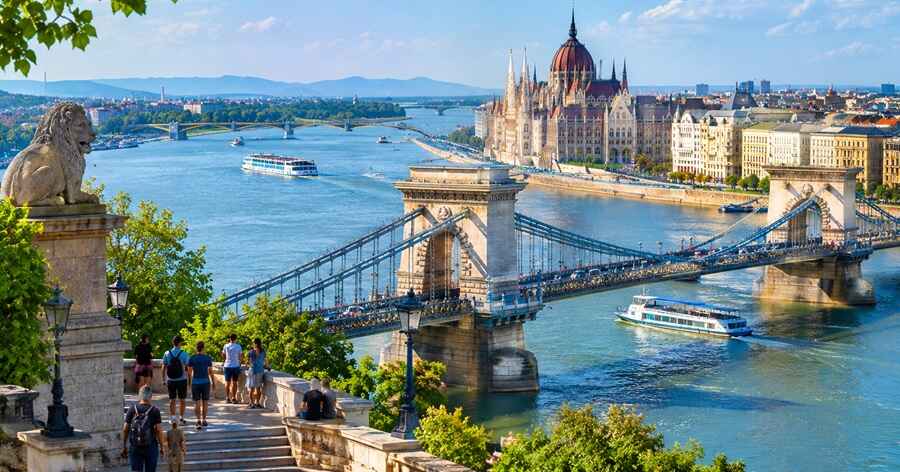
After three days in Prague, travel to Budapest, Hungary.
You can choose a bus or train.
Bus
A bus can be a low-cost choice. Compare prices from different companies before booking.
Train
Trains can cost more, but they can be comfortable and easy to use.
After arriving in Budapest, check into your accommodation and spend the rest of the day relaxing or taking a short walk.
Days 5–7: Budapest, Hungary
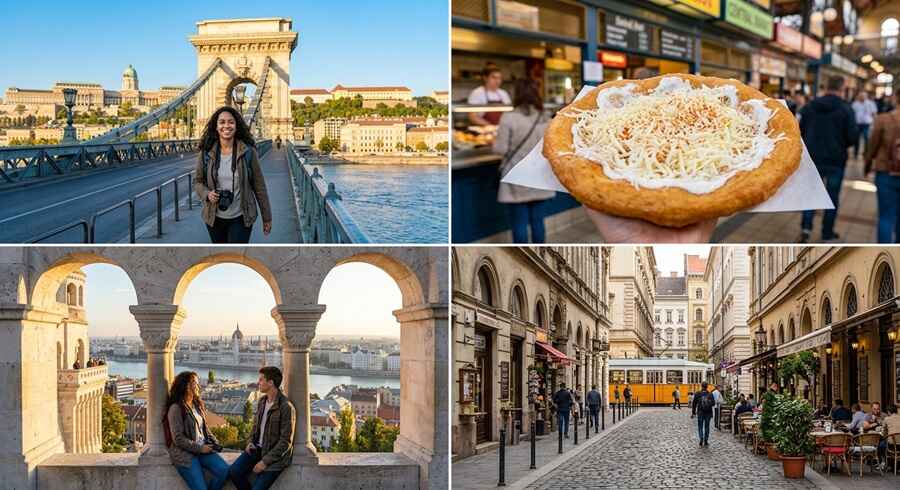
Welcome to Budapest, Hungary.
The city is known for beautiful buildings, history, local food, and the Danube River.
The river divides the city into Buda and Pest.
Budapest can be a good choice for a budget trip because there are many low-cost food, transport, and sightseeing options.
Where to Stay in Budapest
The Pest side is a popular choice for travellers.
It is central and has many shops, restaurants, and attractions.
Look for a hostel or guesthouse near the city centre or close to public transport.
A place near a metro, tram, or bus stop can help you save money on taxis.
Many hostels also have shared kitchens. This can help you spend less on food.
What to Eat in Budapest
You can find many affordable food choices in Budapest.
Try:
- Goulash: A famous Hungarian dish and a filling meal.
- Lángos: Fried bread often served with sour cream, cheese, and garlic.
- Local market food: Markets can offer simple local meals and snacks.
Getting Around Budapest
Use public transport for longer trips.
Budapest has buses, trams, and metro services.
Walking is a good choice when sights are close together.
Top Budget-Friendly Things to Do in Budapest
You can enjoy many places without spending much money.
Try these:
- Walk across Chain Bridge
- Explore the Buda Castle area
- Visit Fisherman’s Bastion
- Walk beside the Danube River
- Explore historic streets
- Visit public squares and local markets
Budapest is also famous for its thermal baths.
Walking beside the Danube is a great way to enjoy the city without spending money.
Day 8: Budapest to Vienna
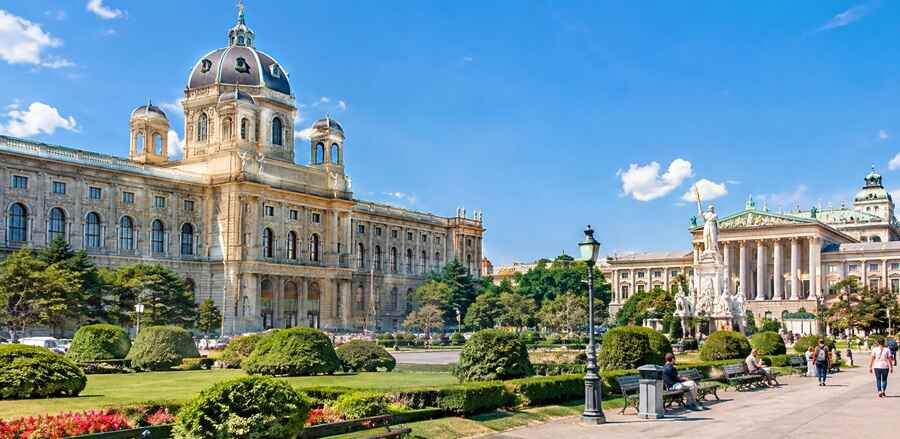
On Day 8, travel from Budapest to Vienna, Austria.
The train is a popular way to make this trip. Buses may also be available.
After arriving in Vienna, check into your accommodation and start exploring the city.
Days 8–10: Vienna, Austria
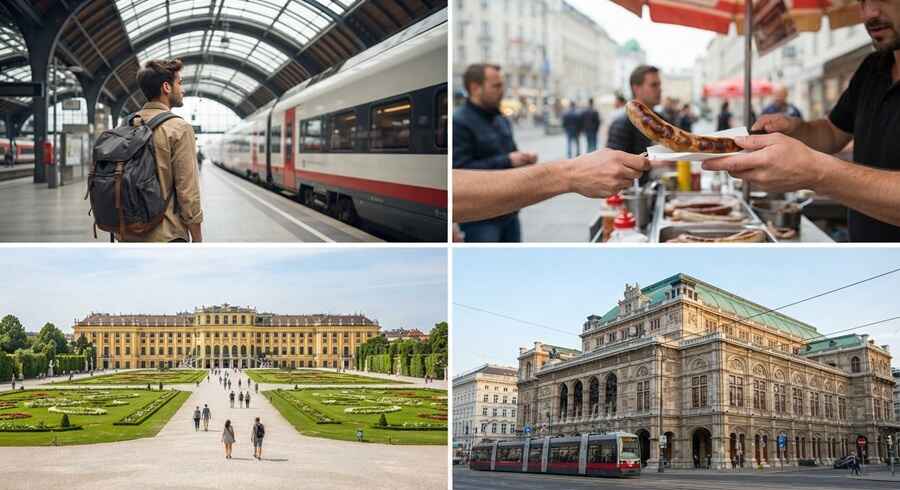
Finish your trip in Vienna, Austria.
Vienna can be more expensive than Prague and Budapest, so it is helpful to plan your spending carefully.
The city is known for palaces, parks, old buildings, wide streets, and rich history.
Where to Stay in Vienna
Hostels and guesthouses can help you keep your accommodation costs lower.
You can also look a little outside the city centre.
The important thing is to choose a place close to a metro, tram, or other public transport.
What to Eat in Vienna
You can enjoy Viennese food without eating at expensive restaurants every day.
Try these budget-friendly options:
- Würstelstand: A sausage stand that can be good for a quick meal.
- Local markets: Naschmarkt has many food stalls.
- Bakeries: Good for simple breakfasts or snacks.
- Supermarkets: Buying some food from a supermarket can help you save money.
Getting Around Vienna
Vienna has a large public transport system.
You can use the metro, trams, and buses to move around the city.
For nearby sights, walking can save money.
Top Budget-Friendly Things to Do in Vienna
You can enjoy many parts of Vienna without spending much money.
Try:
- Walk along the Ringstrasse
- Explore the historic city centre
- Visit public gardens
- Walk through Burggarten
- Explore Volksgarten
- Visit public squares
- Admire Vienna’s old buildings
- Take a self-guided walking tour
At St. Stephen’s Cathedral, some areas and tours may require a ticket.
Schönbrunn Palace Park is another good place to walk around.
The main park is free during opening hours, but some attractions inside the grounds need separate tickets.
How to Make This 10-Day Trip Easier
A budget trip does not mean choosing the cheapest option every time.
- Always think about the total cost.
- A cheap hotel far from the city centre may cost more for daily transport.
- A slightly more expensive hotel near a metro station may save money on travel.
- The same idea applies to flights and intercity transport.
- A cheap flight with high baggage fees may cost more in the end.
- Always compare the full cost, not just the first price you see.
Conclusion
A 10-day trip to Europe does not have to cost a huge amount of money.
A route through Prague, Budapest, and Vienna can give you history, local food, beautiful buildings, culture, and many places to explore on foot.
With good planning and smart choices, you can enjoy a memorable European trip without spending more than you need to.