How to Prevent Common Foot Problems While Traveling

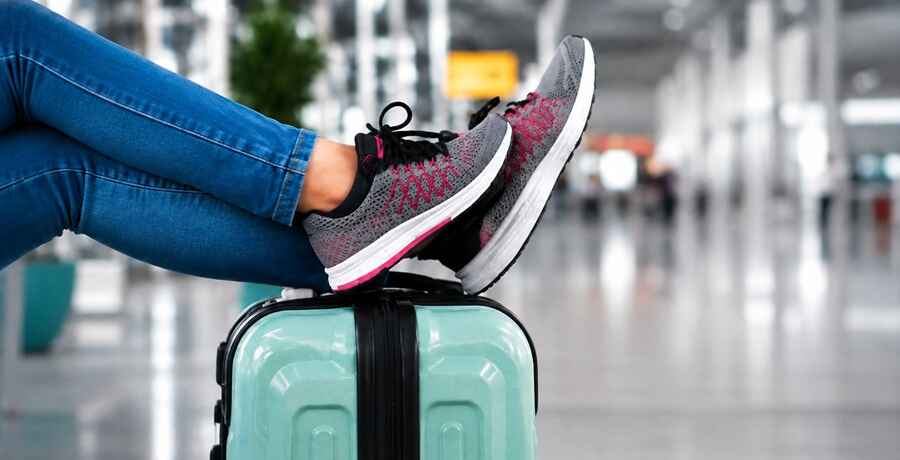
Travel is exciting, but long walks, standing for many hours, wearing new or tight shoes, hot weather, sweaty feet, and long flights or bus rides can make your feet tired and uncomfortable.
When you are exploring a new destination, your feet often work harder than they do during a normal day at home. A little preparation and simple daily foot care can help reduce discomfort and make your trip more enjoyable.
In this post, you will learn simple ways to prevent common foot problems while traveling, including blisters, swelling, tired feet, soreness, and dry skin.
Common Foot Problems Travelers Face
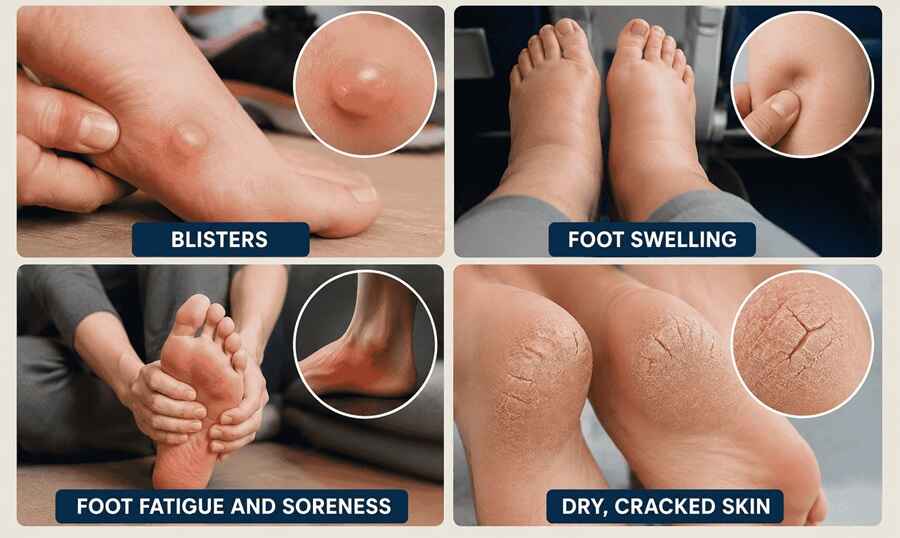
Traveling often means walking more than usual, standing for long periods, and wearing shoes for many hours. Because of this, travelers may experience common problems such as blisters, temporary swelling, foot fatigue, soreness, and dry or cracked skin.
Hot weather and sweaty socks can also make feet uncomfortable. Meanwhile, long flights, bus rides, or car journeys may involve sitting in the same position for an extended period.
Knowing these common problems can help you prepare your feet before and during your trip.
7 Easy Ways to Protect Your Feet While Traveling
1. Wear Comfortable Shoes
Comfortable shoes are one of the most important parts of travel foot care. Shoes that fit properly can help reduce rubbing, pressure, and discomfort during long walks.
Avoid wearing brand-new shoes for the first time on a trip. New shoes may rub against your feet and cause blisters before you have had a chance to get used to them.
Choose shoes that:
- Fit comfortably without squeezing your toes
- Have enough room for your feet
- Feel supportive during walking
- Are appropriate for the activities you have planned
- Allow reasonable airflow when weather conditions make feet sweaty
If you expect to walk a lot, wear shoes that you have already used comfortably.
2. Choose the Right Socks
Socks can make a noticeable difference when you are walking for several hours.
Choose clean, comfortable, breathable socks that fit properly without being too tight. If your socks become wet from sweat or rain, change them when possible.
Carrying an extra pair is especially useful for:
- Long sightseeing days
- Hiking trips
- Hot-weather travel
- Rainy destinations
- Long journeys
Keeping your feet dry and comfortable can help reduce rubbing and general discomfort.
3. Prevent and Protect Blisters
Blisters can develop when shoes or socks repeatedly rub against the skin.
If you notice a spot becoming unusually warm, sore, or irritated, take a break and check your foot. Changing your socks, adjusting your footwear, or protecting the area with a blister bandage or soft padding may help reduce further rubbing.
If a blister has already formed, avoid deliberately popping it. Keep the area clean and protected, and reduce the rubbing that caused it.
If the area becomes increasingly painful, red, warm, swollen, or develops drainage, seek medical advice because these can be signs of infection.
4. Reduce Foot Discomfort During Long Journeys
Long flights, bus rides, and car trips can leave your feet and ankles feeling uncomfortable, and some people may notice temporary swelling after sitting for a long time.
During long journeys:
- Move your feet and ankles regularly.
- Change your position from time to time.
- Take short walks when it is safe and practical.
- Avoid remaining completely still for long periods.
- Wear comfortable footwear that does not feel restrictive.
When you reach your destination, taking some time to rest can also help your feet feel more comfortable.
If you experience sudden or severe swelling, particularly in one leg, significant pain, chest pain, or difficulty breathing, seek urgent medical attention rather than assuming it is ordinary travel-related swelling.
5. Give Your Feet Regular Rest
Sightseeing can easily turn into several hours of continuous walking. Your feet may become tired even when you are having a great time.
Try to include short rest periods throughout the day. Sit down between activities, especially after longer walks, and give your feet a chance to recover.
You can also plan your sightseeing route so that you have opportunities to stop at parks, cafés, museums, or other suitable resting places.
Listening to your body and taking breaks when your feet become tired is often better than pushing through increasing discomfort.
6. Care for Dry and Cracked Skin
Climate changes, dry air, frequent bathing, and long days outdoors can sometimes leave the skin on your feet dry.
A simple foot moisturizer can help keep dry skin soft and comfortable.
Try to:
- Apply moisturizer after bathing.
- Moisturize again before bed if your feet feel particularly dry.
- Avoid very hot water.
- Dry your feet gently after washing.
If your feet have deep cracks, significant pain, bleeding, or signs of infection, consider getting medical advice rather than relying only on moisturizer.
7. Keep Your Feet Clean and Dry
Good foot hygiene is especially useful when traveling.
Wash your feet regularly and dry them thoroughly, including between your toes. Wet or sweaty feet can become uncomfortable, so change damp socks as soon as practical.
Allow shoes to dry properly before wearing them again, especially after rain, hiking, or heavy sweating.
These simple habits can help keep your feet fresh and comfortable throughout your trip.
Simple Foot Care Routine While Traveling
A simple routine can make travel foot care easier.
1. Morning
- Wash your feet if needed.
- Dry them thoroughly.
- Apply moisturizer to dry areas.
- Put on clean, comfortable socks.
- Wear shoes that fit well.
2. During the Day
- Take short breaks during long walks.
- Move your feet and ankles during long journeys.
- Change wet or sweaty socks.
- Check for areas of rubbing or soreness.
- Protect developing hot spots early.
3. Night
- Wash and dry your feet.
- Check for blisters, irritation, or unusual swelling.
- Apply moisturizer if your skin feels dry.
- Give your feet plenty of time to rest.
What to Pack for Foot Care
You do not need a large foot-care kit. A few practical items can be enough for most trips.
- Comfortable shoes – Choose footwear that you have already worn comfortably.
- Extra socks – Useful when your socks become wet or sweaty.
- Blister bandages – Helpful for protecting areas affected by rubbing.
- Foot moisturizer – Useful for dry skin.
- Small towel – Convenient for drying your feet.
- Nail clipper – Useful for normal nail care.
- Foot powder (optional) – May help keep feet feeling dry.
- Comfortable slippers – Useful for relaxing after a long day.
Choose items according to the type and length of your trip.
Foot Care for Different Types of Trips
Different trips can put different demands on your feet. Preparing your footwear and basic foot-care items in advance can make a big difference.
1. City Sightseeing
City trips often involve many hours of walking on hard surfaces.
Wear comfortable walking shoes that fit well and have already been worn. Carry an extra pair of socks and keep blister protection available.
Plan short rest stops instead of waiting until your feet are extremely tired.
2. Beach Trips
For beach trips, consider sandals or water-friendly footwear that is appropriate for the surface and activity.
Protect exposed skin on your feet with sunscreen, and remember that the tops of your feet can receive plenty of sun exposure.
After swimming or spending time in wet conditions, wash and dry your feet and footwear when practical.
3. Hiking Trips
Hiking places additional demands on your feet, so footwear should match the trail and weather.
Wear properly fitting hiking shoes or boots and comfortable socks. Carry extra socks and blister protection, particularly for longer hikes.
Take breaks when needed and pay attention to developing soreness or rubbing.
4. Long Flights and Bus Trips
For long journeys, choose comfortable footwear that does not feel restrictive.
Move your ankles and feet regularly, change position from time to time, and take short walks when it is safe and permitted.
If you notice unusual or severe swelling or other concerning symptoms, seek medical help instead of assuming it is normal travel discomfort.
If you are interested in more simple personal-care tips for your trip, see our guide on How to Keep Your Hands and Nails Soft and Healthy While Traveling.
When Should You Get Medical Help?
Many minor foot problems improve with rest and basic care. However, some symptoms should not be ignored.
Consider getting medical advice if you experience:
- Severe or worsening foot pain
- Sudden or significant swelling
- Swelling that does not improve with rest
- A large or unusually painful blister
- Increasing redness or warmth
- Pus or other drainage
- Difficulty walking because of pain
Sudden swelling or pain in one leg, especially when accompanied by chest pain or difficulty breathing, requires urgent medical attention.
If you are unsure whether a foot problem is minor or serious, it is safer to ask a healthcare professional.
Common Foot-Care Mistakes to Avoid While Traveling
Some simple mistakes can make your feet more uncomfortable during a trip.
Avoid:
- Wearing brand-new shoes for a full day of sightseeing
- Wearing shoes that are too tight
- Continuing to walk when pain is getting worse
- Leaving wet socks on for long periods
- Wearing damp shoes repeatedly
- Ignoring developing blisters
- Skipping breaks during very long walks
- Using very hot water on already dry skin
- Ignoring severe pain or unusual swelling
Small preventive steps are usually easier than dealing with a painful foot problem in the middle of a trip.
Frequently Asked Questions (FAQ)
How Can I Prevent Blisters While Traveling?
Wear comfortable, well-fitting shoes that you have already used before your trip. Choose socks that fit properly and keep blister protection available. If you notice a hot or sore spot, reduce friction early rather than continuing to walk through increasing discomfort.
What Shoes Are Best for Long Walking Trips?
Choose shoes that fit comfortably, provide appropriate support for your activity, and do not rub your feet. For sightseeing, comfortable walking shoes are usually more practical than brand-new or uncomfortable footwear.
How Can I Reduce Foot Swelling During a Long Flight?
Move your feet and ankles regularly, change position periodically, and take short walks when it is safe and permitted. Avoid staying in exactly the same position for a long time.
If swelling is sudden, severe, mainly affects one leg, or occurs with other concerning symptoms, seek medical attention.
How Often Should I Take Walking Breaks?
No fixed schedule works for everyone. Take a short break whenever your feet begin to feel tired or uncomfortable. On long sightseeing days, planning regular rest stops can help you avoid excessive fatigue.
What Socks Are Best for Travel?
Choose clean, comfortable, breathable socks that fit properly. Carry an extra pair so you can change them if they become wet or sweaty.
How Can I Care for Dry and Cracked Feet?
Wash your feet gently, dry them thoroughly, and use a foot moisturizer regularly. Avoid very hot water and harsh rubbing. If cracks are deep, painful, bleeding, or showing signs of infection, seek medical advice.
Should I Pop a Travel Blister?
It is generally better not to deliberately pop a blister yourself. Keep it clean and protected, and reduce the rubbing that caused it.
If it becomes increasingly red, warm, swollen, painful, or develops drainage, seek medical advice.
Can I Walk With Sore Feet?
If your feet are mildly tired, taking a break and resting may help. However, avoid continuing a long walk when pain is severe, worsening, or affecting your ability to walk normally.
What Should I Pack for Basic Foot Care?
A practical kit can include comfortable shoes, extra socks, blister bandages, foot moisturizer, a small towel, and a nail clipper. Depending on your destination, comfortable slippers or foot powder may also be useful.
Conclusion
Traveling can put extra pressure on your feet, especially when your trip involves long walks, standing, hiking, hot weather, or long periods of sitting.
Fortunately, simple foot-care habits can make a big difference. Wear comfortable, well-fitting shoes, choose breathable socks, protect areas that start rubbing, take regular breaks, keep your feet clean and dry, and moisturize dry skin when needed.
During long flights or bus journeys, remember to move your feet and ankles regularly and change position when possible. Most importantly, pay attention to your body. Severe pain, unusual swelling, signs of infection, or symptoms that continue or worsen should not be ignored.
You do not need an expensive foot-care routine to enjoy your trip. A little preparation before leaving home and a few minutes of basic care each day can help keep your feet comfortable—so you can spend more time exploring, sightseeing, and enjoying your journey.