8 Iconic World Cup Moments and Places to Visit

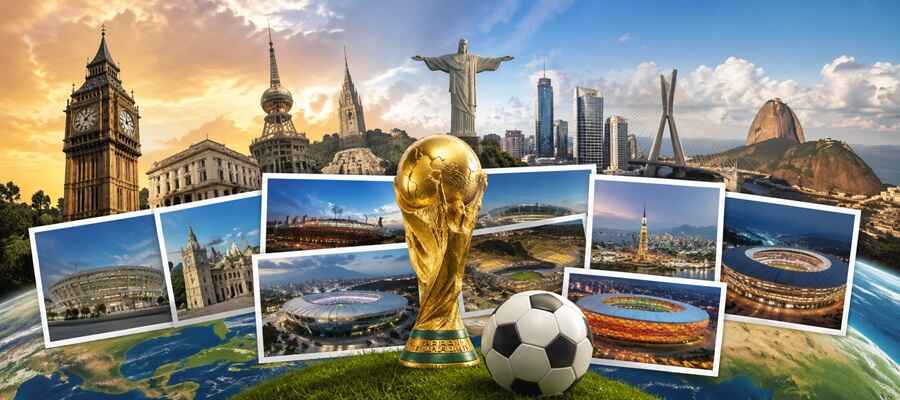
Every FIFA World Cup creates moments that become part of football history. Some are remembered for unforgettable goals, some for dramatic victories, and others for moments that changed the way fans remember a tournament.
Many of these memories are connected to famous stadiums and cities that travelers can still explore today. From Bern and Stockholm to Mexico City, Berlin, Johannesburg, Belo Horizonte, Lusail, and Rio de Janeiro, these destinations offer a chance to experience both football history and local culture.
If you love football and travel, here are 8 iconic World Cup moments and the places you can visit to connect with their stories.
For more practical travel, food, and lifestyle ideas, explore: blog.wowsalebd.com
8 Iconic World Cup Moments and Places to Visit
1. Bern, Switzerland — The Miracle of 1954
The Miracle of Bern refers to the 1954 FIFA World Cup final, when West Germany defeated Hungary 3–2 after falling two goals behind. Hungary had been one of the tournament’s strongest teams, making West Germany’s comeback one of the most memorable finals in World Cup history.
The victory also became an important moment in post-war German history and was remembered as a source of renewed national optimism.
Today, football travelers can explore Wankdorf Stadium, the historic setting associated with the final, while also discovering Bern’s beautiful Old Town, a UNESCO World Heritage Site.
Other attractions include the Zytglogge clock tower, Bern’s Bear Park, the Einstein Museum, and traditional Swiss restaurants. Travelers can also experience local dishes such as fondue.
Best time to visit: May to September is generally pleasant for exploring Bern’s outdoor attractions.
2. Stockholm, Sweden — Pelé Announces Himself to the World (1958)
The 1958 World Cup in Sweden introduced football fans around the world to a teenage Pelé. At just 17 years old, he scored twice in the final as Brazil defeated Sweden 5–2.
His performances made the tournament an important turning point in his international career. He also became the youngest player to win a World Cup.
Football fans visiting Stockholm can explore the site of the former Råsunda Stadium, where the 1958 final was played. The stadium was later demolished, so visitors should not expect to find the original World Cup venue today. The modern Strawberry Arena represents Stockholm’s contemporary football scene.
Away from football, Stockholm offers plenty to explore. Walk through the historic streets of Gamla Stan, visit the Vasa Museum, explore the city’s waterfront, or take a boat trip through the surrounding islands.
Best time to visit: June to August is popular for enjoying Stockholm’s long summer days and outdoor attractions.
3. Mexico City, Mexico — Maradona’s Famous Double (1986)
The 1986 World Cup in Mexico produced two unforgettable moments from Diego Maradona in Argentina’s quarter-final against England.
Maradona first scored the controversial “Hand of God” goal before producing the spectacular run that became known as the “Goal of the Century.” Argentina eventually won the match 2–1 and continued toward the World Cup title.
The match took place at Estadio Azteca, one of the most famous stadiums in football history. Argentina also won the 1986 final at the same stadium, making it especially significant for World Cup fans.
Today, travelers can explore the stadium when tours or visitor access are available and learn more about its football history.
Mexico City also offers attractions far beyond football. Visit the Frida Kahlo Museum, explore the historic center, or take a trip to the ancient pyramids of Teotihuacan.
And of course, trying local Mexican food is part of the experience—from tacos and tamales to other regional specialties.
Best time to visit: March to May can offer comfortable conditions for sightseeing, although weather and crowds vary.
4. Berlin, Germany — Zidane’s Dramatic Final Moment (2006)
The 2006 World Cup final in Berlin is remembered not only for Italy’s victory over France but also for one of the most talked-about moments in World Cup history.
During extra time, French captain Zinedine Zidane was sent off after an incident involving an Italian player. It was an extraordinary ending to Zidane’s final World Cup appearance.
The match was played at Berlin’s historic Olympiastadion, which remains an important sporting landmark in the city. Football travelers can visit the stadium and, when available, join tours that explore its architecture and sporting history.
Berlin also provides a fascinating journey through 20th-century history. Visitors can see the Brandenburg Gate, explore the Berlin Wall Memorial, and discover museums covering the city’s complex past.
Best time to visit: May to September is convenient for combining stadium visits with outdoor sightseeing.
5. Johannesburg, South Africa — Iniesta’s World Cup Winner (2010)
The 2010 FIFA World Cup was historic as the first men’s World Cup held on the African continent.
In the final, Spain faced the Netherlands at Johannesburg’s Soccer City, now known as FNB Stadium. The match remained goalless through regular time before Andrés Iniesta scored in extra time, giving Spain its first World Cup title.
FNB Stadium is one of Johannesburg’s major sporting landmarks and is recognizable for its distinctive calabash-inspired design. Football fans can explore the stadium when tours and visitor experiences are available.
Johannesburg also offers opportunities to learn about South Africa’s history and culture. The Apartheid Museum is an important stop for understanding the country’s past.
Travelers interested in wildlife can also plan a safari experience outside the city, depending on their itinerary.
Best time to visit: May to September is a popular period for wildlife viewing in many parts of South Africa, although conditions vary by destination.
6. Belo Horizonte, Brazil — Germany’s 7–1 Victory (2014)
The 2014 World Cup in Brazil produced one of the most astonishing results in tournament history.
In the semi-final at Mineirão Stadium in Belo Horizonte, Germany defeated Brazil 7–1. Germany scored four times in a remarkable six-minute period during the first half, leaving football fans around the world stunned.
The match remains one of the defining moments of the 2014 tournament and an unforgettable chapter in Brazilian football history.
Today, visitors can explore Mineirão when stadium tours or events are available and learn about its role in Brazilian football.
Belo Horizonte is also known for its food and cultural attractions. Travelers can visit Inhotim, a major contemporary art and botanical garden complex outside the city, and try local specialties such as pão de queijo, or Brazilian cheese bread.
Best time to visit: May to August is generally a comfortable period for sightseeing, although conditions can vary.
7. Lusail, Qatar — Messi Finally Lifts the World Cup (2022)
The 2022 FIFA World Cup final created one of the most memorable recent moments in football.
Argentina faced France at Lusail Stadium in a dramatic final that finished 3–3 after extra time. Argentina eventually won the penalty shootout, giving Lionel Messi his first World Cup title.
For Messi and Argentina supporters, the victory became a defining moment of the tournament.
Today, football travelers can visit Lusail Stadium and explore the modern architecture and infrastructure developed around Qatar’s World Cup.
Nearby Doha offers many additional attractions. Travelers can explore Souq Waqif, visit museums, walk along the Corniche, and discover the city’s modern skyline.
A desert excursion can also be added to a wider Qatar itinerary, depending on weather and local tour conditions.
Best time to visit: November to March is generally more comfortable for outdoor sightseeing in Qatar.
8. Rio de Janeiro, Brazil — Germany’s 2014 World Cup Triumph
Rio de Janeiro played host to the 2014 World Cup final at the legendary Maracanã Stadium.
Germany faced Argentina in the final, with the match remaining goalless during regular time. In extra time, Mario Götze scored the decisive goal, giving Germany a 1–0 victory and its fourth World Cup title.
The final made Maracanã one of the most memorable football destinations connected with the 2014 tournament.
Today, visitors can explore Maracanã Stadium when tours or visitor experiences are available and learn about its long history in Brazilian football.
Rio itself offers plenty beyond football. Travelers can visit Christ the Redeemer, explore Sugarloaf Mountain, walk along Copacabana Beach, and experience the city’s music and cultural scene.
Best time to visit: December to March is popular for beach weather, although Rio can be busy during major holidays and events.
Why These World Cup Destinations Are Worth Visiting
A World Cup destination can offer much more than a famous stadium.
These cities allow travelers to connect football history with local culture, architecture, food, museums, and everyday life. You can visit a stadium connected to a legendary match in the morning and spend the afternoon exploring a historic neighborhood or trying local cuisine.
The best football trips also involve learning about the city beyond the sport. A visit to Berlin, for example, can combine football history with the Berlin Wall and other historical sites, while Mexico City can combine World Cup memories with ancient history and art.
That combination makes football travel especially interesting for travelers who want more than just a match-day experience.
Practical Travel Advice for Football Fans
If you’re planning a football-themed trip, a little preparation can make the experience much easier.
- Book early: Hotels and transportation can become more expensive around major football events.
- Check stadium access: Historic stadiums may have different tour schedules, visitor rules, or event-day restrictions.
- Use public transportation: Staying near a train, metro, or major bus route can make city sightseeing easier.
- Check opening hours: Museums, stadium tours, and attractions may have seasonal schedules.
- Respect local supporters: Football can be passionate, so enjoy the atmosphere while respecting different teams and fan groups.
- Follow stadium rules: Check current rules about bags, cameras, food, and other items before visiting.
- Plan for the weather: The best travel season varies significantly between Switzerland, Sweden, Brazil, Qatar, and South Africa.
- Explore beyond football: Add museums, historic neighborhoods, local food, and cultural attractions to make your trip more memorable.
- Check current travel information: Before international travel, review current visa, entry, transportation, and local safety information for your destination.
A Simple World Cup Travel Bucket List
If you want to build your own football-history travel bucket list, you could start with:
Europe:
Bern → Stockholm → Berlin
North America:
Mexico City
Africa:
Johannesburg
South America:
Belo Horizonte → Rio de Janeiro
Middle East:
Lusail/Doha
You don’t have to visit all eight destinations in one trip. Each works as part of a larger city or country itinerary.
Frequently Asked Questions
Can I still visit the stadiums where these World Cup moments happened?
In many cases, yes. Several stadiums offer tours or visitor experiences, but availability can change because of matches, renovations, events, or other restrictions. The former Råsunda Stadium in Stockholm is an exception because it was demolished.
Which destination is best for a football history trip?
It depends on your interests. Mexico City and Rio de Janeiro are excellent choices for famous stadium history, while Berlin combines football with major historical attractions. Belo Horizonte is especially interesting for fans interested in the dramatic moments of the 2014 World Cup.
Is it expensive to visit famous football destinations?
Costs vary considerably. Accommodation, transportation, food, stadium tours, and attraction tickets can all affect your budget. Booking accommodation and transportation early can help you plan more comfortably.
Should I visit only the stadium?
Not at all. The best football trips combine stadium history with the city’s culture, food, museums, architecture, and neighborhoods.
Conclusion
World Cup history is not limited to old match reports or highlight videos. Many of the stadiums and cities connected with legendary moments can still be explored by travelers today.
From the Miracle of Bern and Pelé’s breakthrough in Sweden to Maradona’s unforgettable performance in Mexico, Germany’s dramatic victories, Iniesta’s winning goal, and Messi’s 2022 triumph, each destination tells a different story.
Whether you’re a lifelong football fan or simply enjoy traveling through places with fascinating histories, these 8 World Cup destinations offer plenty to discover. Visit the stadiums, explore the cities, try the local food, and experience the places where some of football’s most memorable stories unfolded.